Get Full Government Meeting Transcripts, Videos, & Alerts Forever!
Get email alerts on the Soul Line Dancing topic
No spam. Unsubscribe anytime.
Soul line dancing project brings community-owned oral histories and performances to the Library of Congress
Summary
Community practitioners documented soul line dancing through oral histories, event recordings and advisory-driven interpretation, highlighting intergenerational participation, DJs and choreographers, and health and social benefits.
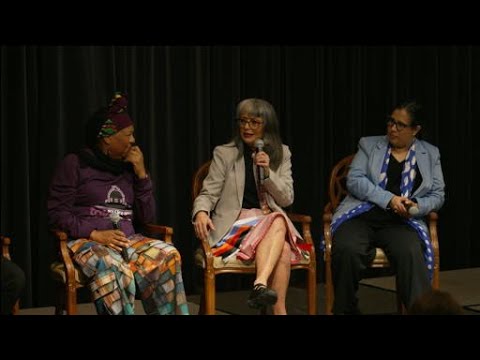
Karen Abdul Malik, known as Queen Nur, presented a community-curated project that documents the tradition commonly called soul line dancing across the Mid-Atlantic and beyond. The project assembled an advisory team of practitioners, DJs and choreographers and prioritized oral histories, event recordings and community ownership to ensure the tradition's narratives were captured by the people who practice them.
"We have a story to tell," Queen Nur said, describing how the project moved from a local class to a national archive. She described an interpretive planning process that centered practitioners: "The key thing about this project is that it had to be a story that was owned by this community." The team captured two-hour oral histories, class instruction, showcases and event footage and documented prominent figures in the community's history, including choreographers and DJs.
Presenters emphasized social and health outcomes tied to line dancing: community bonding, intergenerational mentorship, and physical and cognitive benefits for seniors and other participants. Queen Nur cited examples in which participants with health challenges found benefits through regular participation and underscored how DJs curate music and shape event energy.
The project has produced public-facing outcomes including media appearances, partnerships with online archives and grants from local funders; Queen Nur said the work's inclusion in the Library of Congress validated practitioners and galvanized community ownership. She closed by noting plans for further documentation and public programming that maintain practitioner control over interpretation and access.