Get Full Government Meeting Transcripts, Videos, & Alerts Forever!
Get email alerts on the Comanche Crafts topic
No spam. Unsubscribe anytime.
OU-led project archives Comanche crafts, emphasizes community ownership and archival return
Summary
A University of Oklahoma–led team archived Comanche material culture for the Library of Congress, centering community members as co-researchers and noting administrative hurdles with university contracting and participant compensation.
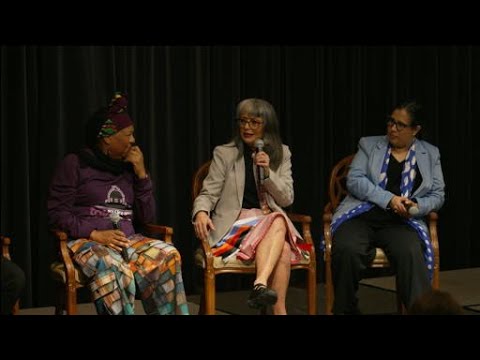
A University of Oklahoma team has digitally curated artistic creations by members of the Comanche Nation of Oklahoma and deposited the material with the Library of Congress as part of a project titled "Continuing Comanche Culture: Culture as Making, Craft as Shared Story." Dr. Kimberly Wieser Weryackwe, the project's principal investigator, said the project combines interviews, dynamic imaging and community-curated interpretation to document ties, ledger art, beadwork and regalia.
The project was led in close collaboration with Comanche community members who served as co-investigators and liaisons. "Rance led the team as tribal liaison, conducting artistic interviews and directing filming," Wieser said, describing Rance Weryackwe's role in the fieldwork. Wieser said the team won a Library of Congress American Folklife Center grant to support the work and received formal endorsement from the Comanche Nation and OU's Native Nations Center.
Wieser foregrounded community control over the narrative and the practical workings of craft. "I am not Comanche. I'm a Comanche captive," she said, explaining her positionality; she added that many of the project's investigators were citizens of the Comanche Nation and that familial transmission shaped craft practices. She described individual participants and their specializations: Amanda Weryackwe Wilson's applique9 and tie-making, Martin Flores's feather fans and beadwork, Mary Wade's otter hats and beaded princess crowns, and Edmond Nevaquaya's flutes and ledger-style painting.
The presentation also noted legal and ethical constraints affecting the collection. Wieser said: "All of these feathers that you're seeing here are protected by the U.S. government. Only native people with the proper paperwork who followed the appropriate legal processes are allowed to possess them." She also described administrative hurdles at the university: "The university's general counsel did not like the terms the Library of Congress had, and they wanted to settle things in our own state courts," which delayed some project work and prompted the Department of English to assume financial responsibility to proceed.
Wieser said the team is preparing public-facing outcomes, including local exhibits, community launch events, kiosks to circulate within the Comanche Nation, and gifts to contributors. She emphasized reciprocity and long-term stewardship as central goals: the materials are archived at the Library of Congress but curated so that Comanche people retain access and control.
The project exemplifies community-engaged archival work: investigators combined academic grant-writing and technical expertise with Comanche cultural authority to capture both material details and oral histories. Wieser said the work aims to "celebrate, transcend power dynamics, and talk about the learning and application of craft and its transformative power in the hands of each participant."