Get Full Government Meeting Transcripts, Videos, & Alerts Forever!
Get email alerts on the School Discipline topic
No spam. Unsubscribe anytime.
District presenter reviews discipline report showing classroom incidents, vaping and cell‑phone issues
Summary
A district presenter reviewed Fayette County Schools discipline and expulsion data for multiple schools, noting classrooms were the most common location for referrals, vaping rises with grade level, and one Valley cohort had persistently high referrals; schools will receive data for targeted interventions.
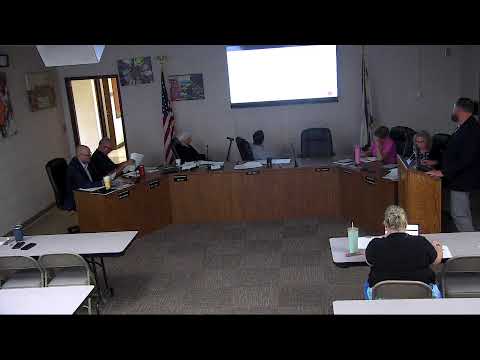
Presenter Matt reviewed district discipline and expulsion data at a Fayette County Schools Board of Education meeting, showing most referrals occurred in classrooms, vaping and cell‑phone violations rose in higher grades, and one student cohort at Valley recorded persistently high referral rates.
The presenter said Anstead Elementary had 48 discipline referrals (a 12% increase from last year), Divide Elementary had 65 referrals (a 3% decrease), Fatville PreK had 617 referrals (a 16% decrease), Milan Trail had 485 referrals (a 28% decrease), New River Intermediate had 457 referrals (a 15% decrease), New River Primary had 221 referrals (a 4% decrease), and Okill High School had 978 referrals (a 1% decrease). Okill Middle showed a year‑over‑year increase (reported as a 21% rise; the transcript records the raw count as "1,31," which appears incomplete). Valley recorded 603 referrals (a 23% increase) and the presenter flagged that the same cohort had high referrals the prior year.
Matt said the classroom was the single most common location for referrals across schools; secondary locations included the gym, hallway and bus depending on the school. He identified the most frequent referral reasons as disruptive or defiant behavior, fights (noting referrals count each student involved), insubordination, tardiness, skipping class at the high‑school level, and increasing vaping and cell‑phone violations among older students.
On counting fights, a board member asked whether 21 referred fights equated to 21 distinct incidents; Matt explained referrals are recorded per student, so the number of unique incidents is likely lower (roughly half the referral count in that example).
A board member asked who supervises in‑school suspensions; Matt said schools run in‑school suspension locally and supervision varies—some schools assign a principal or an office staff member to supervise.
On next steps, Matt said schools will receive the full datasets so administrators can ‘‘dig deeper’’ into problem locations and design targeted strategies—examples mentioned included increased monitoring of bathrooms, gyms or buses where patterns emerged. The presenter said level‑four violations are the types that typically come to the board for ratification.
The board had no public delegations or comments. The meeting concluded after a brief vote and the chair declared the meeting adjourned.
Sources: presentation to the Fayette County Schools Board of Education (transcript excerpts).