Get Full Government Meeting Transcripts, Videos, & Alerts Forever!
Get email alerts on the Transient Guest Tax topic
No spam. Unsubscribe anytime.
Reno County adopts charter resolution to allow higher lodging tax cap
Summary
The commission approved Charter Resolution 2026‑29 to allow Reno County to opt out of a statutory 2¢ lodging cap and enable a future countywide transient guest (lodging) tax of up to 10% after a 60‑day protest period; the resolution permits later agreements earmarking revenue for economic development.
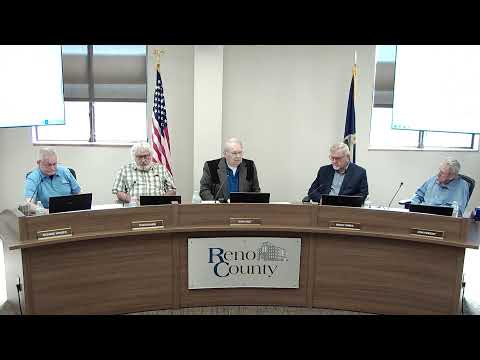
The Reno County Commission unanimously approved Charter Resolution 2026‑29 on May 13, giving the county the authority to set a higher cap for a transient guest (lodging) tax than state statute currently allows.
County staff explained the charter resolution permits Reno County to opt out of a state statute that limits lodging taxes to 2¢ and, if the charter becomes effective following a 60‑day protest period, allows the governing body to adopt later resolutions to set an exact rate (the charter contemplates up to 10%). Staff said those future resolutions would define the rate, any geographic exclusions (for example, existing city taxes), and how revenue may be earmarked for economic development or tourism promotion.
Staff and legal counsel discussed compliance and collection. Commissioners raised practical questions about how platforms such as Airbnb or other third‑party booking services would collect and remit the tax and how independent operators should work with the Department of Revenue. Bond counsel Kevin Cowan, participating by Teams, confirmed the charter allows the governing body to impose a countywide tax or exclude certain properties and to enter into agreements with specific properties or developers regarding use of collected funds.
Commissioners also heard concerns that local lodging businesses need education about withholding and remittance requirements. The commission moved to approve the charter resolution; the roll call vote was unanimous. Staff said a 60‑day protest period will follow; if no successful protest is filed, the commission can adopt a resolution to impose a specific tax rate and any targeted agreements.
The charter resolution does not itself set a tax rate or create immediate revenue — it only authorizes the mechanism for future action, possible exclusions, and future agreements specifying permitted uses for the revenue.