Get Full Government Meeting Transcripts, Videos, & Alerts Forever!
Get email alerts on the School Safety topic
No spam. Unsubscribe anytime.
Teachers and families press Baltimore council to fund classroom doors that lock from the inside
Summary
Educators and parents told the council that many Baltimore classrooms lack interior locks and urged the FY2027 budget to fund door-lock retrofits, arguing the change is an evidence-based safety improvement more effective than added policing for preventing harm.
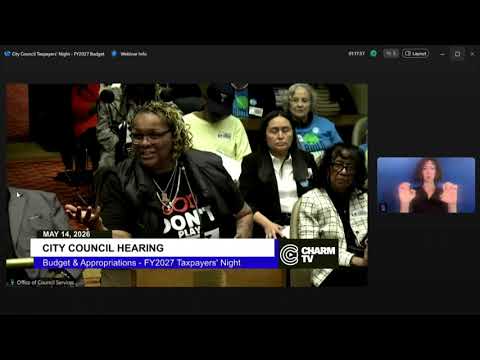
Teachers, parents and safety advocates used Taxpayers' Night to press the Budget & Appropriations Committee to allocate funds so Baltimore City Public Schools can install classroom doors that lock from the inside.
"The Sandy Hook Commission made several recommendations for safety measures. Their primary and most strident recommendation was classroom doors that could lock from the inside," said Bobby Marinelli, a 30-year city teacher, citing Uvalde and Sandy Hook as examples to underscore why interior-locking doors matter.
Speakers from the Baltimore Teachers Union and individual classroom teachers outlined practical failures and everyday risks in buildings where classroom doors do not lock. Nathan Ferrell O'Farrell and Kachobe Lassiter described schools that lack basic locking infrastructure and urged the council to provide the funds the city schools say they lack to complete installations.
Madeline Munson Rosen described a personal threat and said teachers often must improvise to get students into rooms where key-card or exterior locks are inconsistent; she asked council members to follow the Sandy Hook Promise Commission's recommendation and fund locks that secure classrooms from the inside.
Advocates emphasized that locks are an evidence-based safety measure and urged the council to prioritize durable infrastructure solutions across school buildings rather than adding more policing or temporary equipment. The committee did not adopt funding changes at the hearing and said it would use forthcoming agency briefings to review cost estimates and potential funding sources.