Get Full Government Meeting Transcripts, Videos, & Alerts Forever!
Get email alerts on the Student Survey topic
No spam. Unsubscribe anytime.
District review of Minnesota Student Survey finds falling substance use, high bullying reports among younger students
Summary
Stillwater Area Public Schools staff presented results from the Minnesota Student Survey 2025 showing declines in substance use and mixed trends on mental health: notable decreases in suicidal thoughts but suicide attempts holding steady; bullying self‑reports are high, especially among fifth‑grade students.
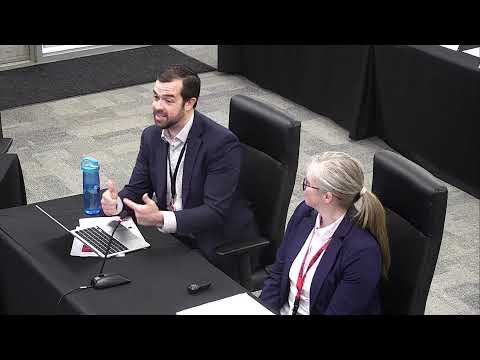
Elsa, presenting Minnesota Student Survey 2025 results to the Stillwater Area Public Schools Board of Directors, said the statewide tri‑annual survey produced district patterns showing both promising and concerning trends. The district’s survey window was in February; participation patterns reflected higher nonresponse on more sensitive items and lower response rates among older students.
The survey, administered online via Qualtrics and run in partnership with state agencies, asks about school climate, bullying, health behaviors, mental health and substance use. "All responses are anonymous," Elsa said, noting that anonymity limits release of small‑program or school‑level data (she cited an alternative learning center whose sample was too small for reporting).
Elsa said substance‑use indicators trended downward: the share of students reporting no alcohol, marijuana or other drug use in the past year rose, with especially large improvements among 11th graders and 11th‑grade females. "Tobacco usage has been low since 2019 and continues to be low," she said. District declines mirrored statewide patterns, though some sensitive items had substantially smaller respondent counts.
At the same time, Elsa highlighted high self‑reported bullying. She described a composite bullying measure based on five items (physical aggression, threats, rumors, sexual comments, exclusion) and said fifth graders showed the highest rates. "This looks, I would say, very high," she said, and asked the board to note differences between self‑report surveys and formal disciplinary referrals, which are lower because they require an incident meeting a suspension threshold.
The presentation covered mental‑health screener items as well. Elsa said the percent of students reporting suicidal thoughts has declined since 2019, while the percent reporting suicide attempts had been relatively steady. She cautioned that some indicators were based on a subset of respondents (for example, roughly 420 11th‑grade students answered the suicidal‑behavior items) and therefore percentages reflect those respondent pools.
Directors asked about attendance, perceived peer behavior, and how to use the findings. Elsa said common reasons for missing school included illness and appointments and flagged that about 17% of responding 11th‑grade females said they had missed school because they were behind in schoolwork. She also pointed to a striking mismatch between perception and self‑reported behavior: "Our 11th‑grade males, for example, reported that they thought 52% of their peers had ever smoked tobacco. And in reality, 7% of 11th‑grade males said that they had ever smoked tobacco," she said, suggesting classroom or counseling conversations to correct misperceptions.
Board members discussed next steps for sharing results with principals, counselors and health teachers, and for delivering trend data to local legislators to inform funding priorities for student‑support services. Elsa said principals already received district reports and that staff will request school‑level data for specific middle‑school comparisons where sample sizes permit.
The board took no formal policy action on the survey at the meeting; directors said they planned follow‑up on communications strategies and targeted analyses.