Get Full Government Meeting Transcripts, Videos, & Alerts Forever!
Get email alerts on the Senate Bill 249 topic
No spam. Unsubscribe anytime.
Committee backs bill urging state to maximize Pell Grant use for short workforce programs
Summary
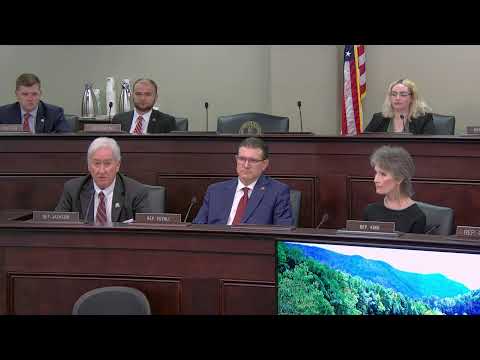
Senate Bill 249, presented to the House committee by Sen. Phillip Wheeler, directs state policy to maximize Pell Grant eligibility for short workforce-training programs. Members praised the effort to expand vocational pathways; the committee reported the bill passes with a favorable recommendation.
Senate Bill 249, presented to the House Standing Committee on Economic Development and Workforce Investment by Senator Phillip Wheeler, would make it legislative policy to maximize use of Pell Grants for short workforce-training programs, aiming to expand affordable pathways into jobs such as x-ray technicians and other in-demand roles.
"It's a workforce bill and it seeks to maximize the use of Pell Grants for workforce training ready a workforce ready training programs," Wheeler said when introducing the measure, describing it as an efficiency-oriented change to increase access to non-degree credentialing that feeds the labor market.
Representative Jackson, drawing on her experience as a guidance counselor, told the committee she supports the bill because many students are better served by one- or two-year vocational programs rather than four-year college tracks: "every one of our kids wasn't college material, but they could go to vocational, technical... they could see a one-year or two-year certification and I think this is a great opportunity for those kids to get their Pell Grants as well as kids going to college."
The committee recorded a roll call and the chair announced: "Senate Bill 249 passes with favorable expression that same should pass." The transcript records individual 'yes' and 'I' responses during the roll call but does not include a consolidated roll-call tally in the recorded transcript.
With the committee's favorable recommendation, the bill moves forward in the legislative process; the transcript does not specify a floor calendar date or any changes to program funding or eligibility language beyond the bill's policy direction.