Get Full Government Meeting Transcripts, Videos, & Alerts Forever!
Get email alerts on the Transportation Fee topic
No spam. Unsubscribe anytime.
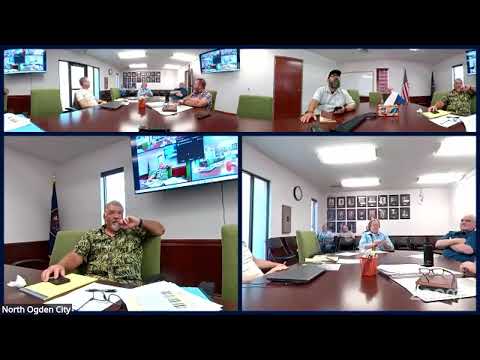
Budget committee wrestles with $15 transportation fee rollout and communication gaps
Summary
The North Ogden City Budget Committee discussed resident frustration about a new $15 monthly transportation fee, debated why a fee was chosen over a property-tax increase, and pressed staff for clearer outreach and published engineer reports to explain long-term road funding needs.
The North Ogden City Budget Committee spent substantial time reviewing the rollout of a new monthly transportation fee and resident communications about it. Committee members said many residents voiced frustration that they were not adequately notified before the charge appeared on utility bills and that some people would have preferred a property-tax increase rather than a flat monthly fee.
Why it matters: the committee must brief the full council before the May 12 tentative-budget action, and how the city explains the fee'its purpose, long-term trajectory and who pays'could shape public support for future increases. Staff and members warned the $15 monthly fee may need to rise in subsequent years unless additional revenue sources are identified.
Officials and staff described two principal rationales for a fee over a property-tax increase: (1) a transportation fee is dedicated to road work and cannot be moved into the general fund, whereas property-tax revenues are more fungible; and (2) a usage-related approach can be calibrated so commercial users contribute proportionally. Staff pointed to a business "trip-calculator" that applies higher charges to larger trip generators but noted the city applied substantial discounts (one example referenced a 90% reduction) to avoid pushing businesses away.
Committee members pressed staff on notification channels after several residents said they learned about the charge only when their bill increased. Staff said the city has placed information on its website and included entries in mailings, but acknowledged that roughly 25% of accounts do not receive paper bills and automatic bill-pay customers may not see emailed notices. Members suggested additional tactics including postcards and clearer front-page links to the engineer's report and fee rationale.
Staff also warned that the current $15 level was a modest starter and that engineer estimates presented internally showed significantly higher potential future levels if the city defers investment; participants mentioned figures discussed internally near the $40'$60 monthly range for longer-term funding scenarios. The committee asked staff to prepare clear comparative materials outlining pros and cons of fee versus property-tax approaches and to publish the engineer's road-condition report so residents can review the projects that would be financed.
What comes next: the committee directed staff to improve website materials and to circulate additional comparisons (fee vs. property tax) and business-impact summaries ahead of the committee's next meeting and the council's May 12 tentative-budget hearing. The committee also flagged that robust outreach will be necessary if the fee is adjusted upward in future years.