Get Full Government Meeting Transcripts, Videos, & Alerts Forever!
Get email alerts on the Tourism Economic Impact topic
No spam. Unsubscribe anytime.
Regional visitor spending drives local sales-tax revenue, tourism director tells Fayetteville board
Summary
Ryan French, executive director of the South Central Tennessee Tourism Association, told the Fayetteville board the community recorded about $29.9 million in visitor spending in 2024 and urged regional marketing to capture nearby out-of-area visitors excluded by the state's 50-mile reporting rule.
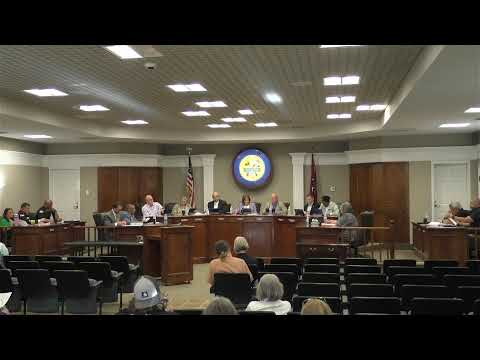
Ryan French, executive director of the South Central Tennessee Tourism Association/Experience Tennessee, told the Fayetteville board on May 12, 2026, that 2024 visitation generated roughly $29.9 million in local spending and that capturing nearby visitors left out of the state's reporting radius could increase local tax revenues.
French told the board the state's economic-impact reporting counts visitors from more than 50 miles away and that nearby metros such as Murphy'sboro and Huntsville fall inside that 50-mile radius, which can cause Fayetteville's reported tourism impact to appear smaller than the actual regional effect. "If you spend $1,000, there's about $95 in taxation collected" in Tennessee on average, he said, arguing sales and occupancy taxes are the primary ways communities capture visitor dollars.
Why it matters: French said visitor spending matters to municipal services because sales and occupancy taxes generated by visitors help fund roads, police and fire without increasing property taxes for residents. He highlighted two data points he described as especially consequential for Fayetteville: an estimated 50% of restaurant transactions are made by visitors and roughly 65% of retail spending in the county is from nonresidents.
French summarized differences between day and overnight visitors, saying the state report shows overnight visitors spend far more—he cited a 186% greater spend for overnight visitors—and that even small increases in lodging or restaurant stays can meaningfully raise local tax receipts. He also described tourism marketing efforts now in development, including signage and "activated" murals tied to the Tennessee Whiskey Trail and a statewide "Take and Bake" cross-border campaign the state is testing to measure spending inside a 0–50 mile radius.
Board members asked how to explain tourism to residents who say Fayetteville is "not a tourist town." Alderman Faulner pressed for outreach approaches; French recommended emphasizing that most travel is to visit friends and family and that regional assets (for example, distilleries or caverns nearby) should be treated as shared tourism opportunities. "I always say if it's one more night or one more hamburger, I don't care. I just want one more," French said.
French invited the board to a deeper tourism economic impact review planned for the first week of October and offered to return to present updated, fresher data when the state's next report is released.
Quotes used above are drawn from French's presentation and the board's Q&A. The presentation included specific figures from a 2024 state economic-impact packet provided to the board; French described the HOME/Take-and-Bake campaign and Placer credit-card transaction analysis as sources he and the state used to estimate regional patterns.
The board did not take a formal vote on tourism policy at the meeting; French's presentation concluded with an invitation to the October review, and staff said they would consider follow-up outreach and grant opportunities tied to regional marketing.