Get Full Government Meeting Transcripts, Videos, & Alerts Forever!
Get email alerts on the Local Programs topic
No spam. Unsubscribe anytime.
City agencies outline local steps: community solar, mobile energy center, cool roofs and weatherization
Summary
City sustainability officials and the Philadelphia Energy Authority told council they are expanding community solar, mobile outreach, cool-roof pilots and weatherization programs that can cut bills for low-income households and argued the city should adopt standards for energy performance on city-funded projects.
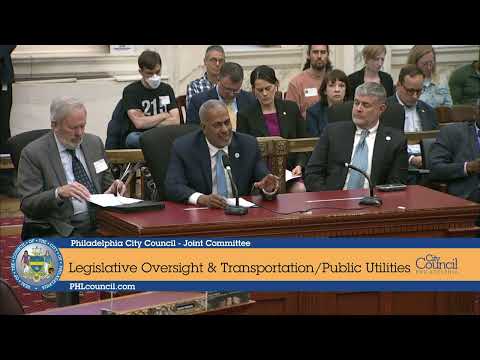
City sustainability officials and the Philadelphia Energy Authority told Council they are already pursuing local measures to reduce energy burden and urged the city to scale up existing programs.
Elizabeth Lankanau, director of the Office of Sustainability, described the city’s Energy Poverty Alleviation Strategy and recent achievements: a mobile energy center that in its first weeks connected 28 residents to bill-assistance and education, a community-scale cool-roofs pilot in Strawberry Mansion with 62 roofs installed, and expanded weatherization capacity through the Philadelphia Housing Development Corporation (PHDC), which expects to weatherize roughly 400 homes this calendar year.
Emily Shapiro, president and CEO of the Philadelphia Energy Authority, urged Council to adopt energy-efficiency design standards for all city-funded programs and for city-owned buildings, to invest in regulatory engagement at the PUC, and to accelerate distributed energy resources such as rooftop solar and community solar that lower long-term bills and insulate residents from regional wholesale market shocks.
Why it matters: Local distributed generation, targeted weatherization, and community-based outreach can lower monthly costs for the most affected households and reduce exposure to short-term wholesale price spikes. Witnesses said the quickest way to deliver relief is to scale what already works and fund neighborhood organizations that do enrollment and remediation.
Next steps: Council members signaled support for code updates, urged more funding for the PEA and neighborhood energy centers, and requested follow-up data on program budgets and projected household bill impacts.