Get Full Government Meeting Transcripts, Videos, & Alerts Forever!
Get email alerts on the Consumer Protection topic
No spam. Unsubscribe anytime.
Residents, advocates press utilities over confusing bills and shutoff notices
Summary
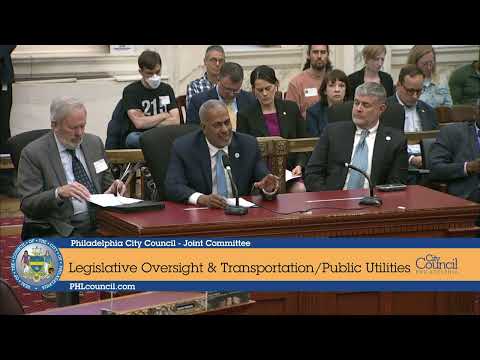
At a City Council hearing on rising energy costs, residents described confusing billing practices, repeated shutoff threats from suppliers, and difficulty accessing assistance, while legal advocates urged automatic enrollment and streamlined data sharing to reach eligible households.
A single mother from North Philadelphia told City Council she faces repeated shut-off notices and confusing bills from her supplier, often finding payments applied to old balances while current charges remained unpaid.
"The bill is extremely high, more than $700 like each month," Ashley Kohls said, describing a payment arrangement that directed funds to a back bill and left her current bill unpaid. She said calls to the supplier were frequently dropped and that caps on assistance (CLS cited a $3,000 cap) left her ineligible for some aid.
Community Legal Services and other advocates told the committees that many eligible households are not enrolled in low-income programs (CAP/CRP) and that administrative friction and privacy rules limit efficient enrollment. Attorneys urged the city to invest in expert representation in upcoming rate cases, and to press for streamlined data-sharing so households screened or enrolled for one assistance program can be automatically routed into utility protections.
Why it matters: Multiple witnesses and council members emphasized that the fastest way to lessen harm is to make sure existing programs reach eligible people — through better outreach, coordinated intake, and by removing administrative barriers to enrollment. Advocates and some council members recommended automatic or opt-out enrollment for programs tied to documented eligibility in other city/state benefit systems.
What residents asked for: clearer billing explanations, more responsive customer service, expedited enrollment options tied to existing benefit determinations, and stronger enforcement of fair billing and shutoff protections.
Next steps: Council members requested enrollment counts and cost estimates for a coordinated intake approach and signaled interest in legislation or administrative action that would improve automatic enrollment and data-sharing consent workflows.