Get Full Government Meeting Transcripts, Videos, & Alerts Forever!
Get email alerts on the Homelessness topic
No spam. Unsubscribe anytime.
Students urge Ann Arbor to bar proactive encampment sweeps on city property
Summary
University social‑work students told the Ann Arbor Human Rights Commission that sweeps harm unhoused residents and proposed an ordinance to prevent proactive removals on city land, require 14‑day notice for legally necessary removals, and secure belongings for 45 days.
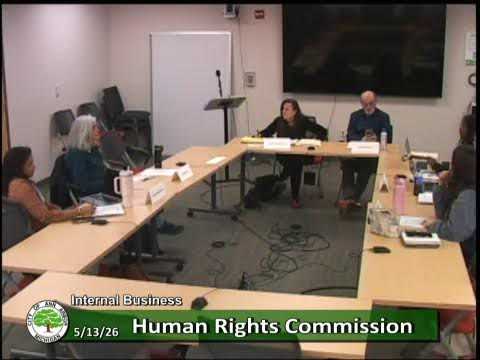
A group of University of Michigan social‑work students presented to the Ann Arbor Human Rights Commission on harms from encampment sweeps and urged the city to formalize protections for people living outdoors.
Shauna Chester, a social‑work graduate student, cited local and national data and described the loss of documents, medication and other essential items during sweeps. Chester said point‑in‑time counts showed “842 people were homeless as of December of 2025, which is an increase of 42% from the previous year,” and warned that removals can “set people back” by destroying access to IDs and jobs. She recommended an ordinance that would prohibit proactive sweeps on city property, require a 14‑day notice tied to clearly stated legal or safety reasons, have an outreach team such as PATH on site to collect and store belongings, and maintain those items in city‑funded storage for 45 days.
Commission members pressed presenters on operational details. Commissioners asked who currently stores possessions after a sweep and whether county, state or university landfalls outside city authority; presenters said the police sometimes store items but that storage practices and jurisdictional responsibility are inconsistent and need clarity. Council member Gassi Edwin noted past incidents where county actions led to state police removals inside city limits and called for intergovernmental protocols.
The students and commissioners discussed whether a resolution or ordinance is the better legal tool: students said a resolution could be politically expedient but that advocates argue an ordinance offers stronger, enforceable protections. Commissioners and presenters agreed to consult city attorneys and county partners before drafting formal language and to return with more specific examples from other municipalities.
The commission did not vote on policy at the meeting; members directed staff and advocates to continue discussions, gather legal guidance and report back to the commission.