Get Full Government Meeting Transcripts, Videos, & Alerts Forever!
Get email alerts on the Measure P Grants topic
No spam. Unsubscribe anytime.
Fresno subcommittee faces pushback over Measure P cycle 3 rules, fiscal-sponsor caps and tight deadline
Summary
At a May 13 subcommittee meeting, parks staff presented Cycle 3 draft grant guidelines for Measure P funding and proposed award caps, tiers and limits on fiscal sponsorship. Community speakers urged more time, clearer rules and warned a fiscal-sponsor cap would restrict access for emerging artists and marginalized groups.
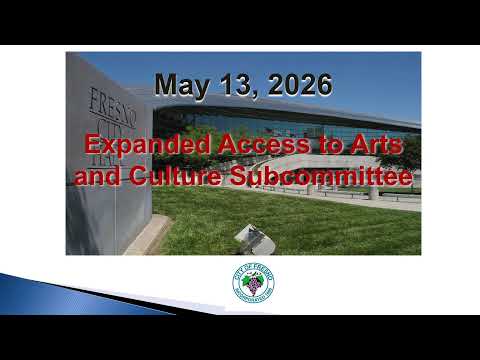
The Expanded Access to Arts and Culture subcommittee met May 13 in Fresno to review staff revisions to Cycle 3 draft grant guidelines for Measure P funding and to hear hours of public testimony on eligibility, award caps and fiscal sponsorship.
Shelby McNab, assistant director of the parks department, led a page-by-page presentation of edits staff are proposing after reviewing 760 public comments collected during April listening sessions. “We collected 760 total comments,” McNab staffer Sarah Gan told the subcommittee during an earlier recap, noting that eligibility, fiscal sponsorship and scoring were the most-commented topics. McNab framed the draft as constrained by the city’s legal obligations under Measure P, which directs grants to nonprofit organizations.
Why it matters: Cycle 3 will allocate millions in local arts funding; choices about award maximums, whether to permit partial funding and how to treat fiscally sponsored projects will determine which organizations and artists receive support and how quickly funds are distributed.
Key proposals and disputes
- Award caps and tiers: Staff proposed tiered maximum requests tied to an organization’s reported annual revenue and suggested limiting award percentages to a 75–100% range in some scenarios to spread funds more widely. Commissioners acknowledged there is no clear consensus in the public record, and discussed using a transparent scoring rubric and tiers so applicants know what to expect.
- Fiscal sponsorship cap: Staff proposed that a fiscal sponsor may be listed as fiscal sponsor for no more than five grantees and manage a combined total of no more than $150,000 in grant funding. That recommendation drew widespread opposition from speakers and several commissioners.
“I want to speak in strong opposition to the proposed cap on fiscal sponsorship,” said Ome Lopez, a community member, arguing that limiting fiscal sponsors would disproportionately harm emergent and culturally specific projects that rely on trusted sponsors. Multiple speakers, including artists and representatives of fiscally sponsored groups, said a numeric cap would choke off access for communities that lack direct nonprofit status.
- Deadline and timeline: Staff said they had received legal advice that a June 30 date for making funds available remains in force, and proposed a Sept. 30 application deadline to allow about 90 days for applicants to prepare materials. Several commenters, including an online participant who cited Measure P language, asked the subcommittee to reconsider the June 30 timeline. “Please reconsider the June 30th deadline… just do it right, please,” one commenter urged.
- Eligible costs and contract practice: Staff clarified eligible direct costs (including insurance) and allowed certain facility improvements tied to access (ramps, lighting). They also proposed that fiscal-sponsor administrative fees be eligible up to 10% of an award and that organizations must be in good standing at the time of application.
Public testimony and community concerns
Speakers at the formal public hearing included emerging artists, nonprofit leaders and fiscal sponsors. Themes included unresolved payments and communications from Cycle 2; requests for clearer step-by-step application instructions; calls for in-person technical-assistance drop-in sessions; and objections to numerical limits on fiscal sponsorship.
Tony Dodson, representing Urban Power Drum and Dance, said his group met deliverables despite receiving no grant funds and asked to close out the program based on completed work. Destiny Careway, representing a women’s basketball organization, argued that athletics are part of culture and sought immediate evening and weekend access to city gym space. Andrea Mel, interim executive director of Fresno Arts Council, and Andrea Chavez of ArtsMēxé stressed the need for continuity and said lower caps for established organizations could undermine long-term stability.
What was decided and next steps
No formal policy was adopted at the meeting. Commissioners asked staff to refine the guideline language and return proposed tier tables and scoring scenarios to the Parks Commission (PR) and the full commission for deliberation. Staff said they will present recommendations to PR on May 18, publish the application materials and post clearer guidance and resources online. The subcommittee scheduled follow-up meetings to finalize language and a staff proposal for award percentages, reviewer compensation and other contracting terms.
Context and authorities
Staff repeatedly cited Measure P (Fresno Municipal Code §7-1506) as the legal framework restricting direct artist payments and requiring grants to nonprofit organizations. In the presentation staff referenced other models, including California Arts Council operating-support caps and San Diego’s operating-support approach, while noting local differences in nonprofit revenue and capacity.
What to watch
- Whether the subcommittee drops or modifies the proposed fiscal-sponsor cap after sustained public opposition. - How the subcommittee finalizes award-maximum tiers, and whether it adopts a fixed percentage table tied to score bands (an “A/B/C” tier approach) or opts for 100% awards for top scorers with partial awards below. - The final schedule for the notice of funding opportunity, the grant-application deadline and any legal changes affecting the June 30 availability requirement.
The subcommittee did not vote on the guidelines at the May 13 meeting; staff will return with revised language and concrete scoring/award scenarios for further review.