Get Full Government Meeting Transcripts, Videos, & Alerts Forever!
Get email alerts on the Animal Control topic
No spam. Unsubscribe anytime.
Volunteers, staff and council spar over Marksville pound capacity and liability
Summary
An extended public and council discussion in Marksville focused on overcrowding at the city pound since a nearby shelter closed, volunteers’ unpaid veterinary expenses and rescue work, and legal liability when non‑contracted volunteers assist on city property.
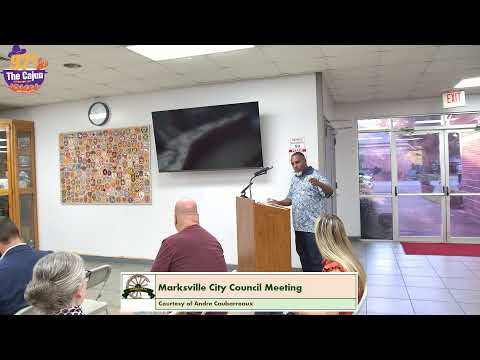
The Marksville City Council heard more than an hour of public comment and staff discussion about the city pound’s capacity, volunteer rescue activity and legal liability at its April meeting.
Volunteers at the pound, including Darling Gorson, said donated funding and rescues have kept dogs alive and moving to adoption. "I've been helping Marksville Pound since about 2018," Gorson said, describing donated veterinary care and invoices she said total more than $5,000 for animals she has moved. She urged the council to let volunteers continue vetting and transporting animals so they do not remain on the streets.
City staff and the city attorney cautioned that volunteers who come onto city property or perform work at the pound while not under contract expose the city to potential liability. The city attorney explained that if the city asks an unaffiliated person to pick up or transport animals and that person is injured while performing the task, the city could face legal exposure.
Mayor and council members described the pound as overwhelmed after the closure of a nearby Cottonport facility, saying Marksville has become a de facto dumping ground for animals parishwide. City animal-control staff and volunteers reported that demand has grown and that boarding and veterinary costs (heartworm tests, vaccinations, spay/neuter and fecal tests) are significant; volunteers said most costs have been covered by donations and sponsors, not the city.
Several speakers urged clearer written protocols and suggested modest fees for owner surrenders or a permanent parishwide shelter funded via a health-unit millage. Mr. Mark representing the police jury said the jury voted to pursue a parishwide animal shelter and to use part of a health-unit millage to support it in the future.
Council discussion covered recordkeeping (county/pound logs are kept and available), the handling of bite-case dogs (held 10 days), and disagreements about whether the pound should return seriously neglected animals to owners. Staff said they follow state inspection recommendations; an inspector named Ashley Fraser was cited as having documented prior inspections and recommendations.
A motion was made to allow current rescue work to continue and to have pound staff coordinate release of animals to rescues when feasible. The council also directed the city attorney to provide legal guidance on liability and to consider formal parameters (contracts or written agreements) for volunteers who assist the pound.
The meeting record ends with volunteers arranging to move several dogs to rescues; the council did not adopt a new formal policy at the meeting but asked staff to bring legal clarification and proposed procedures back at a future meeting.