Get Full Government Meeting Transcripts, Videos, & Alerts Forever!
Get email alerts on the State Budget Education topic
No spam. Unsubscribe anytime.
Independence 30 superintendent warns of $362.7 million statewide K–12 shortfall, board told
Summary
Superintendent Dr. Grant told the Independence 30 board the state budget headed to the governor leaves public education facing an estimated $362.7 million shortfall and urged monitoring of several bills that could affect district policy and funding.
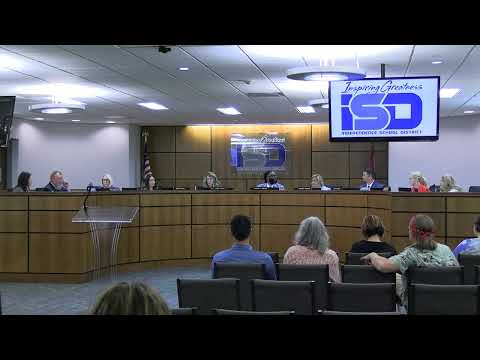
Superintendent Dr. Grant told the Independence 30 Board of Education that the state budget has passed and is now headed to the governor, but cautioned the board the package leaves public education with a projected shortfall of $362.7 million.
Dr. Grant said the district will continue to monitor legislation that could affect schools, naming House Bill 2719 (changes tied to the A–F report card) and Senate Bill 1352 — legislation that, as reported to the board, would reduce the length of ISD term limits from six years to three after passing the Senate. He also listed several policy topics that could be added to omnibus measures, including K–5 screen-time provisions, optional driver education, cursive instruction and literacy-related changes.
The superintendent noted local conditions that compound state-level pressure on district budgets, including developments in Jackson County that will require attention and tracking. He also provided operational updates relevant to the district’s calendar: upcoming high-school graduation dates and the tail end of MAP and EOC testing. Dr. Grant said staff will keep the board informed of material changes and any implications for district planning and the budget.
Why it matters: A multi-hundred-million-dollar shortfall at the state level can affect funding flows for local districts and influence staffing, programming and capital planning decisions. The board directed staff to continue monitoring the bills named and report back with any substantive impacts or recommended responses.
The board moved to other agenda items after the superintendent’s report; no formal budget action was taken at the meeting.