Get Full Government Meeting Transcripts, Videos, & Alerts Forever!
Get email alerts on the Strategic Planning topic
No spam. Unsubscribe anytime.
Franklin leaders table decision on hiring strategic‑planning consultant after hours of debate over trust, cost and outreach
Summary
After presentations from three finalist firms, Franklin’s joint School Committee and Town Council paused a vote on hiring a consultant for a joint strategic plan, seeking clearer internal alignment and more focused goals before spending roughly $35,000–$40,000 in town funds.
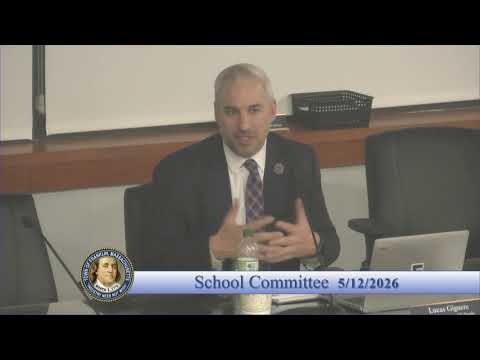
Franklin’s School Committee and Town Council paused a decision on hiring an outside consultant for a joint strategic plan after more than three hours of presentations and public questioning on Tuesday.
Consultants from Rap Talis, Capital Strategic Solutions and BME Strategies each laid out proposals for a community-driven planning process that would produce a mission, priorities and an implementation road map. Cheryl Trent of Rap Talis stressed outreach to skeptical residents and described the challenge as “planning in a fog” — a reference to complex budget and development pressures facing the town. “When you build relationships you build trust,” she said in her presentation.
Capital Strategic Solutions emphasized local government and K–12 experience in Massachusetts and presented a two-part deliverable: a high-level strategic plan plus an implementation/accountability schedule. Bill Keegan, the firm’s lead on the Franklin bid, told the joint meeting the firm would turn strategy “into action” with timelines, responsible parties and measurable progress checks.
BME Strategies framed its approach around public‑health perspectives and implementation tracking, saying that a health‑in‑all‑policies lens helps integrate departments and state funding constraints.
Discussion among councilors, school committee members and residents focused less on the marketing or graphic style of proposals than on three recurring themes: how to rebuild public trust after two failed override votes; how a consultant would genuinely engage residents who do not normally attend meetings; and how to get the most value from a roughly $35,000–$40,000 investment. Several councilors and committee members said the community’s distrust of local government must be addressed before rolling out any funding request.
Town Councilor Jane Callaway Trip said many “people who were against the override … aren’t coming to those meetings” and urged outreach that reaches residents beyond the usual attendees. Other elected officials warned that spending limited town funds on a consultant that only restates existing plans would be a poor return unless the town had clear, shared goals for the process.
After extended debate about timelines, scope and whether in‑house effort could produce the same results, leaders agreed to pause the hiring decision and return with clearer, written alignment about what they want a consultant to accomplish. The council and committee asked staff to draft a more pointed set of deliverables and to reconvene the two bodies for a focused discussion before selecting a vendor.
Next steps: the two bodies will convene again to produce a compact task list describing the strategic-plan objectives, community‑engagement targets and a price/timeline range to give finalists a clearer scope if the groups later decide to proceed with a contract.
The meeting recorded no formal, final vote on hiring; the procedural outcome was a tabled decision so members could produce the internal alignment they said was needed to justify the expenditure and to make community outreach effective.