Get Full Government Meeting Transcripts, Videos, & Alerts Forever!
Get email alerts on the Education Budget topic
No spam. Unsubscribe anytime.
Caldwell CFO warns enrollment decline will cut state funding; board told to weigh staffing and benefits costs
Summary
Caldwell School District’s new CFO gave a budget preview May 11 showing declining enrollment and support units that could reduce state funding by roughly $1.2 million and leave the district over its state staffing allowance unless adjustments are made.
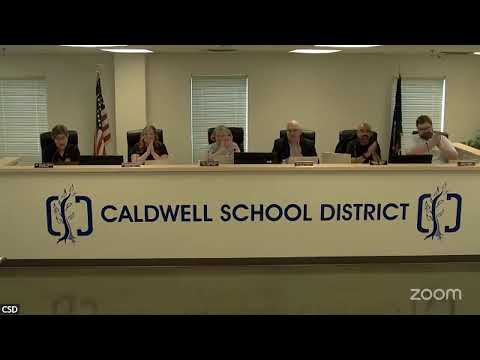
Zach Wagner, Caldwell School District’s new chief financial officer, told trustees May 11 that declining enrollment and fewer state support units are driving a tighter budget outlook for fiscal 2027.
Wagner said district enrollment has fallen from more than 6,000 in 2018 to about 4,852 this year and that his projection model puts next year near 4,722 students, which would lower support units to about 217 and reduce state funding by an estimated $1.2 million. He said support units determine staffing allowance under state rules and that Caldwell currently operates about 58 positions above the state allowance.
The numbers: Wagner outlined options that include not refilling about 28 instructional positions (an approximate $2 million savings) and warned of an estimated 20 percent increase in health insurance premiums (about $1 million). He said an increase on the pay scale to give employees a step would cost roughly $775,000.
Board context: Trustees asked about enrollment projections, transition timing and which staff categories would be affected. Wagner said the district’s $9.3 million fund balance provides a buffer for transitional decisions but is not a long-term substitute for recurring revenue. He recommended considering operational efficiencies, building use, and careful use of fund balance while pursuing long-term solutions.
What this means: Declining birth rates and demographic shifts cited in state data are reducing the number of students statewide, which reduces per-student funding. The district will continue budget workshops; Wagner said staff and board will need to consider staffing levels, insurance costs and potential nonrefill strategies to balance the general fund.