Get Full Government Meeting Transcripts, Videos, & Alerts Forever!
Get email alerts on the Animal Control topic
No spam. Unsubscribe anytime.
PAUSE asks Palmyra to back renewed trap-neuter-return program after volunteers report large outdoor cat population
Summary
PAUSE representative Kathy Fitzky asked Palmyra council to support a revived trap-neuter-return (TNR) effort, citing an estimate of about 1,114 outdoor community cats in the borough and offering traps, training and vaccine clinics to reduce nuisance behaviors and cat reproduction.
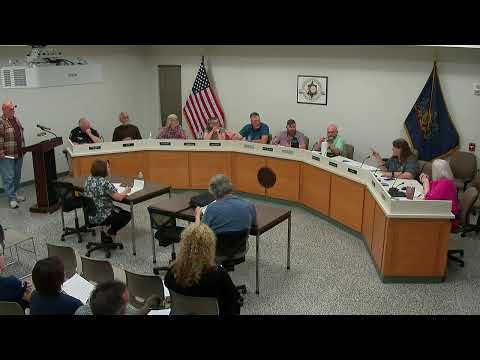
Kathy Fitzky of PAUSE told the Palmyra Borough Council that PAUSE wants to reinvigorate a local trap-neuter-return program to reduce an estimated outdoor community cat population and ease neighborhood conflicts. Fitzky said PAUSE used 2020 Palmyra population figures and existing studies to estimate roughly 1,114 outdoor community cats in the borough and said that figure could be higher or lower, but indicates a large population that merits action.
PAUSE, an all-volunteer organization that operates a shelter and TNR clinics out of Grantville, presented its TNR approach: trap, spay or neuter, vaccinate and return cats to their original outdoor location when appropriate. "Catch and kill will never solve your problem," Fitzky said, arguing that removal alone prompts other cats to move in. She added that TNR reduces roaming, fighting and nuisance behaviors and that PAUSE's adoption pipeline rehomes many friendly adults and kittens from TNR clinics.
The group said it adopts about 500 cats a year and that most of those animals come from TNR work. Volunteers Jess and Bill said PAUSE can supply traps, training and transport and that the organization already runs vaccine clinics and a foster network. Fitzky emphasized education on feeding best practices and community meetings to mediate neighbor disputes, and she urged the borough to help re-establish formal channels of communication and reporting.
Council members responded with informal support. Staff and volunteers agreed PAUSE could link its resources to the borough website and that the borough could create a web form for residents to report cat concerns and request help. No formal ordinance or binding commitment was made during the presentation; Fitzky asked only for council "blessing" and cooperation so PAUSE and its volunteers can re-engage the community and address hot spots.
Next steps: PAUSE will provide materials for the borough website, offer training and clinics as volunteers and schedules allow, and coordinate with public works and code enforcement if specific properties become part of a complaint or remediation plan.