Get Full Government Meeting Transcripts, Videos, & Alerts Forever!
Get email alerts on the Energy Policy topic
No spam. Unsubscribe anytime.
Wyoming House rejects loan‑only amendment to Energy Dominance Fund amid grant‑vs‑loan debate
Summary
Lawmakers debated whether the Wyoming Energy Dominance Fund should include grants, loans or both, citing risks, return on investment and urgency to attract industry. A loan‑only amendment failed on a 19–40 roll call; sponsors and opponents signaled more changes ahead.
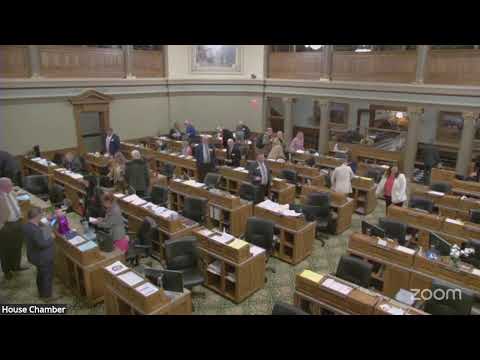
The Wyoming House spent significant floor time debating changes to Senate File 123, the Wyoming Energy Dominance Fund, before rejecting a loan‑only amendment Tuesday evening.
Representative Pendergraft offered the amendment to strip authority for grants and leave only loans in the fund, arguing it reflected a philosophy that state investment should be repaid. Opponents, including representatives who had served on the appropriation and minerals committees, said grants — particularly with matching requirements — can leverage federal and private funding and reduce risk for early‑stage projects.
The debate highlighted two competing views: some members called grants an essential tool to attract industries and accelerate projects, while others warned grants can appear to pick winners and saddle taxpayers with risk. Representative Larson Lloyd, among those arguing against the amendment, emphasized the industry match requirement and said the program would support projects aligned with state energy policy.
After extended floor debate the House took a roll‑call vote on second‑reading Amendment Number One. The amendment failed, 19 yea to 40 nay with three members excused.
Supporters of the loan‑only approach said they will keep refining language to address oversight and the proper scope of beneficiaries. Members who opposed removing grants urged the sponsor and the body to narrow eligibility for any future grant authority so that funds are targeted to sectors that have contributed to the severance tax base.
The bill remained on the calendar with further amendments considered later in the day. Sponsors said they will return with narrower proposals to ensure oversight while keeping the state positioned to seize what some called a narrow window of federal support for energy projects.
What happens next: The bill will return to the floor for further amendments and a third reading; several additional changes were debated the same day, including an amendment limiting the fund’s size to the sponsor’s intent.