Get Full Government Meeting Transcripts, Videos, & Alerts Forever!
Get email alerts on the Homelessness Sleeping Pods topic
No spam. Unsubscribe anytime.
Lenor residents and officials clash over "sleeping pods" as city cites zoning and fire-code limits
Summary
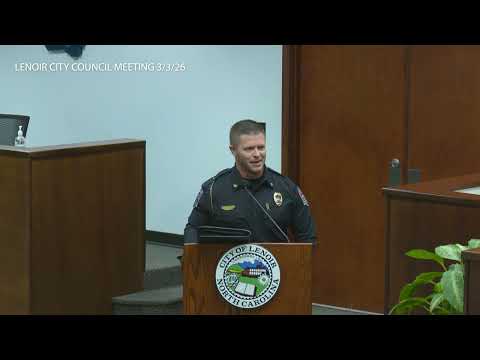
At a March 3 Lenor City Council meeting, residents and an operator defended small "sleeping pods" as emergency/transitional housing while planning and fire officials said sites lacked owner permission and that state building and fire codes limit shelter use without formal approvals.
Residents, an operator and city staff clashed Tuesday in Lenor over small modular "sleeping pods" being used to house people without a formal shelter permit. Members of the public said the pods had helped people find work and remain sober, while the planning director and the fire marshal warned the structures do not fit easily into existing zoning or state code and that unsanctioned use had prompted trespass agreements and enforcement.
Chief planning staff Hannah told the council that neither site where pods had been placed had obtained property-owner permission for hosting people and that one homeowner had executed a trespass agreement asking for occupants to be removed. "The quickest way to have the pods removed would be to put a trespass agreement in place with local law enforcement," Hannah said, and she added that the planning department "support[s] the need for transitional housing options, but the programs and processes must follow safeguards established by state and local law."
Operator Patrick Gristy, who said he rents a building previously used as a pawn shop, disputed staff statements about permission and defended his work. "They're FEMA regulated and permitted. So, why can't you permit them?" Gristy asked, saying his group had placed pods during storms and that the operation had placed several people in full employment. He said he planned to appeal the city's enforcement decisions.
Several residents offered personal testimony supporting the pods' impact. Property owner Angela Barner described hosting people on her land and recounted success stories: "I would invite any of you to come in my house and watch these people," she said, noting clients who had obtained identification, bus tickets to work, and sobriety. Supporters said pods offered shelter during recent freezing weather and created pathways to employment.
Fire Marshal Chris Jacobs urged caution and stressed the technical limits of classifying new structures under existing codes. "If I look at these pods...the closest things that may appear that they fall into would be a tent," Jacobs said, and he described the fire- and building-code requirements that apply to emergency or homeless shelters, including smoke detection, sprinklers, and the need for staffing and safety systems that typical temporary devices lack when used as long-term housing. Jacobs warned that allowing unsafely classified structures could create liability risks for the city and danger for occupants.
Amber Bradford, Unsheltered Access Coordinator for the regional homeless-response team, urged better coordination rather than confrontation. "We need everybody at the table," Bradford said, calling for connection to regional systems that provide supportive housing placements, documentation assistance and transportation. She said existing shelter capacity and programs can help when local providers plug into regional resources.
City staff summarized enforcement steps taken: at least two property owners executed trespass agreements with Caldwell County Sheriff's Office and the Lenor Police Department to remove occupants, and staff said the city has consulted neighboring jurisdictions and found most do not authorize sleeping pods under current zoning and code frameworks.
No formal policy change or council vote on pods occurred at the meeting; the council closed discussion after public comment and moved on to routine business. The planning director, fire marshal and regional providers said any effort to permit or regulate pods would require clear definitions, code modifications, and pre-coordination with county and state authorities.
What happens next: council members were asked to consider staff recommendations and community input; no ordinance changes or permits were adopted on March 3.