Get Full Government Meeting Transcripts, Videos, & Alerts Forever!
Get email alerts on the Meeting Procedures topic
No spam. Unsubscribe anytime.
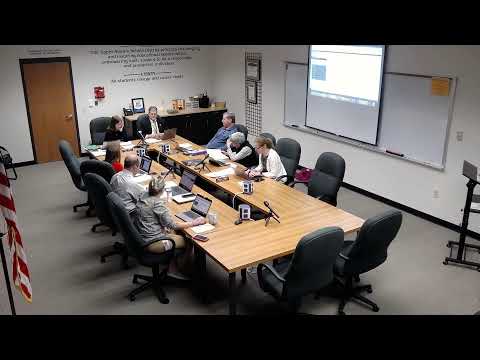
Board committee debates Robert’s Rules training, agenda access and public comment procedures
Summary
The Upper Adams SD policy committee spent much of its meeting clarifying Policy 006 (meetings): members requested Roberts Rules training, discussed how the Pennsylvania school code constrains parliamentary authority, and sought clearer procedures for adding agenda items, special meetings and public comment.
Upper Adams SD’s policy committee devoted substantial time to Policy 006 (meetings), focusing on how the district should reconcile Robert’s Rules of Order with Pennsylvania school code, who may place items on agendas and how public participation should be structured.
Mrs. Jalal asked for a work session on Robert’s Rules of Order and Mr. Lustig said he would like a consultant to lead training; Dr. Bell and administrators recommended offering a workshop-style training administratively rather than embedding mandatory training requirements in policy. Committee members emphasized that where Robert’s Rules conflicts with state law, the school code governs and policy language must not create a contradiction.
The group discussed agenda creation processes: staff described common practice of routing agenda requests through committee chairs, administrative leads and the superintendent, with the board president coordinating committee assignments during reorganization. Members requested clearer committee membership lists and quorum definitions so committees can avoid inadvertent violations of Pennsylvania’s Sunshine Law.
Concerns about public comment decorum were raised by Mrs. Jalal, who said that public input sometimes “feels more of a pep rally than a board meeting.” Staff noted Policy 903 (public participation) already provides guidance and urged that staff refer community members to that policy when they request to speak. The committee directed staff to draft administrative protocols and templates — including suggested public-comment language and options for structuring input at the beginning and end of meetings — and return those materials to the committee for review.
Next steps: staff will prepare procedural templates and administrative guidance and circulate them to committee members in the coming weeks.