Get Full Government Meeting Transcripts, Videos, & Alerts Forever!
Get email alerts on the House Bill 130 topic
No spam. Unsubscribe anytime.
Second Amendment protection bill fails after marathon floor fight over standing, fees and local liability
Summary
House Bill 130, which would have created a civil cause of action and penalties for local cooperation with federal firearms orders, drew extended debate over who could sue, fee‑shifting, and the burden on small municipalities and law enforcement. After multiple divided votes on amendments, the bill failed final passage on a 13–18 roll call.
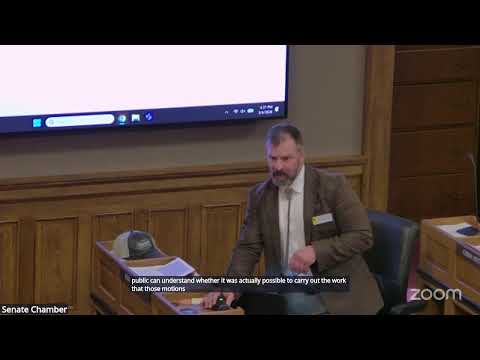
House Bill 130 sparked the session’s longest and most fractious floor debate. The bill sought to add civil remedies and criminal penalties for state or local officers who "enforce, administer, or cooperate" with federal firearms regulations aimed at seizures of firearms, accessories or ammunition. Sponsors said the bill tailored a remedy for Wyoming residents whose guns might be seized under federal orders; opponents warned the measure would expose small towns and local law enforcement to expensive litigation and chilling operational consequences.
Key flashpoints: • Standing and scope: Senators debated whether to use the statutory phrase "interested party" or the narrower term "aggrieved party." Supporters of the narrower term said it would limit litigation to people directly harmed; opponents worried it could exclude legitimate plaintiffs. Senator Hicks explained that the amendment narrows who may bring suit to parties who suffered actual injury.
• Fee shifting and deterrence: A contentious amendment would have required losing plaintiffs to pay municipal costs and fees; proponents of the fee‑shifting language said it would deter frivolous suits and protect small municipalities (some towns have annual budgets of tens or hundreds of thousands of dollars). Opponents argued fee‑shifting creates a chilling effect that would prevent ordinary citizens from vindicating rights.
• Law enforcement concerns: Numerous sheriffs, chiefs and legislative members urged caution, saying local police and small municipalities could face outsized liability for inadvertent actions or cooperative law‑enforcement activities. Senators from rural districts repeatedly described tiny towns with limited budgets and the potential consequences of exposure to large awards.
The Senate held division votes on amendment packages and ultimately rejected the bill on final third reading by roll call, 13 I, 18 No. Sponsors and proponents said the bill sought to protect state sovereignty and the Second Amendment in practice; opponents cited the operational and legal risks to local governments and law enforcement.
Why it matters: The proposal would have created new civil remedies and potential criminal penalties tied to cooperation with federal firearms enforcement, raising questions about standing, fee‑shifting, and the balance between individual rights and public safety.
Next steps: The bill failed final passage in the Senate; sponsors may consider revisions or alternate measures in future sessions.