Get Full Government Meeting Transcripts, Videos, & Alerts Forever!
Get email alerts on the Property Tax topic
No spam. Unsubscribe anytime.
House debate splits over Senate File 110; amendment limiting benefit to $1 million wins
Summary
Lawmakers spent hours debating Senate File 110, which would alter residential property assessment rates and potentially remove a 25% property tax reduction. After lengthy floor debate over constitutional risks, fiscal impact and distributional effects, the House adopted Amendment No.2 (a $1 million cap on the reduction) and rejected a separate amendment that would have preserved the 25% exemption. The bill was ordered to third reading.
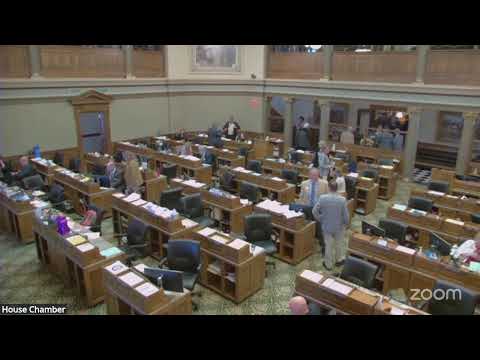
The Wyoming House spent its March 4 session in extended debate over Senate File 110, a bill proposing changes to residential property tax assessment rates and the treatment of a 25% property tax reduction, ultimately adopting a cap intended to limit large benefits to very high‑value properties.
Representative Riggins moved Second Reading Amendment No.1 to set a residential assessment rate (noting an 8.5% rate for a newly described property class), remove provisions tied to a 25‑mill school levy and strike a $500,000 appropriation that had been included to implement levy adjustments. He said the amendment was designed to align the statute with a pending citizens' initiative that could alter assessment rules by 2028 and to make the bill constitutionally defensible if the initiative is implemented.
Lawmakers immediately split on the amendment’s scope. Representative Lock sought clarification that the amendment would change the owner‑occupied component and expand the lower assessment to all residential properties. Representative Harshman proposed dividing the amendment into two parts: Division One (residency distinction) and Division Two (the remaining changes) to allow separate consideration.
Floor debate focused on two main lines of concern. Opponents warned of significant fiscal exposure: several members said the bill would push the state toward a ‘‘fiscal cliff’’ by reducing revenues and forcing backfills from the Legislative Stabilization Reserve (LSR). Representative Brown and others requested fiscal numbers and raised constitutional equal‑protection questions tied to creating different classes of residential property. Supporters, including Representative Harshman, argued the bill offered a constitutional reform path that could replace ad hoc exemptions and provide the Legislature with tools to adjust mills and provide relief when warranted.
After protracted discussion the House rejected Division One (the residency distinction). Division Two also failed on a division count announced from the floor. Representative Harshman then offered Amendment No.2, which imposed a $1 million cap on the amount of benefit a homeowner could receive under the 25% reduction framework; proponents said the cap preserved relief for most homes while limiting outsized benefits to very high‑value properties. That amendment passed on a roll‑call vote (closing tally: 38 yes, 23 no, one excused).
Representative Yen later offered Amendment No.3, which would have left the 25% exemption and school mills intact while lowering assessment rates for many homes; the House rejected that amendment on a roll call (25 yes, 35 no, two excused). With no objection afterward, Senate File 110, as amended, was ordered to third reading.
The floor record shows recurring concerns about who benefits and who bears the cost: several members said high‑value properties and wealthier counties would gain disproportionately, while others argued the changes would allow future legislatures to manage relief more constitutionally. Multiple speakers raised the Legislative Stabilization Reserve balance and the potential need for LSR or general‑fund backfill if revenue declines materialize. Several members also emphasized that some relief measures passed earlier were designed as temporary ‘‘band‑aids’’ and argued the bill attempts longer‑term reform.
Next steps: Senate File 110 was ordered to third reading on the House floor; further amendments and final passage will be decided in subsequent action. The record shows two recorded roll‑call outcomes on amendments: adoption of Amendment No.2 (38–23, one excused) and rejection of Amendment No.3 (25–35, two excused).