Get Full Government Meeting Transcripts, Videos, & Alerts Forever!
Get email alerts on the Initiative Referendum topic
No spam. Unsubscribe anytime.
Committee debates petition timelines, suspension of challenged ordinances
Summary
Committee discussed tightening petition timelines for citizen initiatives and referendums — members proposed 30–60 day windows for council action after certification and debated whether a challenged ordinance should be suspended until voters decide, with legal limits (taxes/budget) flagged.
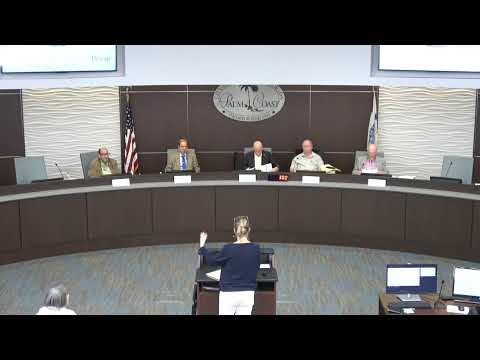
Members of the Palm Coast charter review committee spent substantial time debating initiative-and-referendum rules, including proposed timelines and practical limits.
The committee reviewed existing text giving citizens the right to petition with signatures from at least 10% of the qualified electorate to propose ordinances, require reconsideration of adopted ordinances, or propose charter amendments. A committee member proposed adding a deadline for council action — for example, requiring the council to respond within 30 or 60 days after a petition is certified sufficient — and adding explicit language that a challenged ordinance be suspended until the electorate votes.
Supporters said timelines are necessary so the council cannot indefinitely defer petitioned matters, but other members and commenters warned that automatically suspending ordinances could create legal and fiscal complications, especially for taxes or budget items, and noted state law limits on what initiatives can do. Committee discussion also covered practical barriers: petition drives are costly and time‑consuming, and supervisors of elections charge fees for signature verification.
Participants generally favored adding a response timeline to the charter while leaving room to define categories of measures that initiatives cannot alter (for example, taxes subject to state limits). The committee asked staff to draft specific timeline language and to consult the city attorney on legal limits (tax, budget, and state law constraints) before final text is circulated.