Get Full Government Meeting Transcripts, Videos, & Alerts Forever!
Get email alerts on the Housing Affordable topic
No spam. Unsubscribe anytime.
Norman council approves submission of CDBG and HOME second-year action plan, citing rehab and affordable housing priorities
Summary
Council voted unanimously to submit the city's second-year annual action plan for CDBG and HOME funds to HUD after staff described allocations prioritizing housing rehabilitation, neighborhood improvements and development of affordable housing; public commenters urged continued focus on seniors and homelessness.
The Norman City Council on May 12 voted to authorize submission of the city's second-year annual action plan for the Community Development Block Grant (CDBG) and HOME Investment Partnerships Program to the U.S. Department of Housing and Urban Development for a 45-day review.
Planning staff presented the plan and budget breakdown, saying the city's CDBG allocation for the coming year is $969,000 and the HOME allocation is $425,000. Lisa Craig, CDBG grants manager, said $182,000 of the CDBG allocation is budgeted for planning and administration, $65,000 for a housing navigator based at the Norman Housing Authority, $60,000 for neighborhood improvements, $201,000 for project delivery (including staff positions) and about $460,000 for housing rehabilitation projects. Tara Reynolds, CDBG financial management analyst, said the HOME funds include roughly $42,000 for administration and about $319,000 for affordable-housing development.
"The annual action plan identifies the programs, the projects, and the budget for the upcoming year," Reynolds said, noting the plan follows the city's five-year consolidated plan and HUD guidelines.
Council members asked staff how public comments from outreach and advisory committee meetings shaped the recommended budget. Craig said neighborhood representatives and nonprofits proposed targeted projects and that, because of limited funding and staff capacity, the department has kept the core set of programs but increased the housing rehabilitation allocation because of rising need and construction costs.
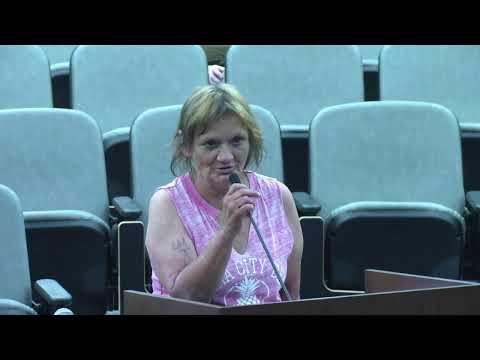
Public commenters underscored the importance of the emergency repair and rehabilitation programs for seniors and people with disabilities. "The emergency repair program keeps elderly people and people with disabilities in their homes," said Mary Katherine Long, who described neighbors helped by past repairs. Heidi Smith, an experienced CDBG committee member, urged council to approve the plan and praised staff and the citizen-driven process.
Council approved the submission vote unanimously. Staff said HUD will have a 45-day review period and, if approved, the program year will begin July 1. The plan presented by staff will be forwarded to HUD along with the public comments recorded during the local comment period.
The plan and accompanying public materials note local priorities including housing rehabilitation, affordable housing development, and targeted neighborhood projects in three core neighborhoods: Old Silk Stocking, Original Town Site and First Courthouse.