Get Full Government Meeting Transcripts, Videos, & Alerts Forever!
Get email alerts on the Child Care topic
No spam. Unsubscribe anytime.
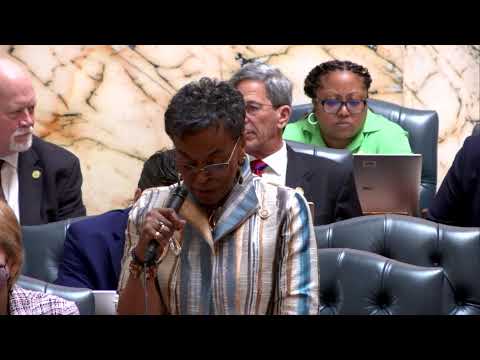
House debates child‑care scholarship changes and sliding fee scale; sponsors say companion bills and budget offsets will neutralize cost
Summary
Lawmakers adopted favorable reports on measures to reprioritize child‑care scholarship wait lists and to create a sliding fee scale; floor debate focused on fiscal impacts, with sponsors saying companion legislation and budget actions will offset costs.
The House on Feb. 25 adopted favorable reports on a package of child‑care bills that together change scholarship eligibility priorities and establish a statutory framework for a sliding fee scale and co‑payments.
One bill would prioritize families with the greatest financial need, children who are homeless, child‑care workers, families with children under three and those longest on the wait list. A companion bill would authorize a sliding fee scale and permit the State Department of Education to set a minimum co‑pay; sponsors said the two bills and a proposed budget action together would allow the program expansion without net new recurring General Fund obligations.
Members pressed for clarity on cost and funding sources. A member noted a fiscal note tied to older bill language and asked how much the changes would cost; a sponsor replied that the amended bill itself would add roughly "$3 million" per a Department of Education estimate while the package would rely on a separate bill to create partial scholarships and a proposed $20 million budget add to make the overall package fiscally neutral. The chair of Appropriations and the chair of Ways and Means explained that fiscal notes change with amendments and that the committee process and companion measures are intended to balance costs.
Supporters said the goal is to reduce the wait list for the families most in need and to expand access to early education by combining prioritized slots with partial scholarships. Opponents and questioners sought explicit dollar estimates, statutory details for co‑pays and assurances that the changes would not create budget gaps without accompanying appropriations.
Both bills were adopted as amended and printed for third reading. Sponsors said further budget and bill work will follow in committee and in the budget process.