Get Full Government Meeting Transcripts, Videos, & Alerts Forever!
Get email alerts on the Event Fees topic
No spam. Unsubscribe anytime.
Panel recommends exploring per‑ticket charge for Michigan State University events
Summary
An East Lansing advisory committee voted to ask city staff to open talks with Michigan State University about a possible per‑ticket fee to reimburse city services at campus events and to encourage state legislation if needed; staff said the university would have to agree and legal authority may require state action.
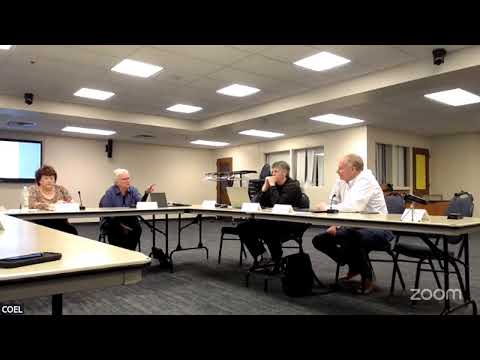
An East Lansing advisory committee on May 14 approved language asking staff to open discussions with Michigan State University about whether a per‑ticket charge could help reimburse city services provided at campus events.
The draft recommendation presented to the committee said the city and university should “work together to determine if adding a per‑ticket charge for MSU events is mutually beneficial,” and offered two models for consideration: a flat per‑ticket fee for every paid event, or a tiered structure (for example, smaller events $1 per ticket, larger events $3). The report language will also note that the university must voluntarily agree to any fee and that state law may affect the city’s authority to impose such a charge.
The committee heard staff estimate that the university’s major sports draw roughly a million tickets over a season, making even small per‑ticket charges potentially significant. The draft also noted an existing statutory definition that treats some gatherings (for example, athletic events or events at venues with fewer than about 500 seats) differently; members asked staff to clarify which event categories would be subject to a fee.
“People have mentioned that…he was not enthusiastic,” said Matt, recounting a conversation with a city contact, referring to preliminary reactions from a university representative. Committee members agreed the legal and political path likely requires the university’s voluntary participation and possibly state legislative change; several asked that the draft include a paragraph encouraging supportive state legislation.
The panel voted to move the recommendation forward in the draft report and tasked staff with (1) opening talks with Michigan State University, (2) refining the size and tiering of possible fees, and (3) adding language encouraging legislative review if legal authority is unclear. The report did not set a final fee nor a timetable for implementation; those details will be addressed in follow‑up discussions with the university and legal counsel.