Get Full Government Meeting Transcripts, Videos, & Alerts Forever!
Get email alerts on the Hostage Advocacy topic
No spam. Unsubscribe anytime.
Hostage family member recounts Oct. 7 attack, urges U.S. pressure to free remaining hostages
Summary
A hostage family member and author told attendees about losses on Oct. 7, described her niece Abigail’s kidnapping and later release after 51 days, and urged sustained U.S. diplomatic pressure—including Qatari and Egyptian mediation—to secure the remaining roughly 90 hostages.
The presenter, a hostage family member and author, recounted arriving in Israel on Oct. 6 and waking the next morning to sirens as an attack unfolded along the Gaza border that killed close relatives and left loved ones missing. She described learning that her niece Madar and Madar’s husband Roie were murdered and that a three‑year‑old, Abigail, initially could not be found.
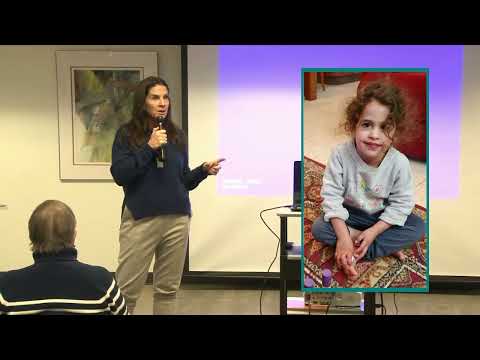
The accounts were detailed and personal: the speaker said two young children hid in a cupboard for 14 hours with only a phone, while Abigail—later found alive—had crawled from beneath her father’s body covered in blood and been sheltered by neighbors. “I looked in the eyes of this little girl and I said I’m going to save you,” the presenter said, describing the photograph she distributed widely to lawmakers and staff to humanize hostages and sustain pressure for negotiations.
Why this matters: the speaker used her family’s story to explain the human stakes behind diplomatic negotiations and prisoner exchanges, saying that keeping the hostages visible to policymakers helped produce releases. She cited figures she said were current at the time of her remarks: roughly 1,200 people killed on Oct. 7; about 246 people taken hostage (35 under 18); and dozens of Americans affected. The presenter said Abigail was released after 51 days; she also said around 90 hostages remained at the time of her talk and that seven Americans continued to be held.
The presenter described bipartisan engagement on Capitol Hill, telling the room that lawmakers from both parties displayed Abigail’s photo to press for action. She singled out Sen. Susan Collins for having repeatedly shown the picture as an example of how lawmakers across party lines helped maintain momentum for deals. The speaker said the first major releases were brokered with Qatari mediation and Egyptian participation, and credited U.S. presidential envoys and White House staff for ongoing negotiations.
On the role of mediators, the presenter said Qatar and Egypt served as the channels able to influence Hamas, while acknowledging the limits and complexity of those relationships: she distinguished between Hamas’s Gaza fighting wing and its Doha-based political wing and said the Qatari role is complicated but significant. “The Qataris were those that put the pressure on Hamas to get that first release,” she said.
She also described the painful tradeoffs that accompany prisoner exchanges, noting that many Israelis oppose releases of convicted prisoners but that families face escalating barriers to recovery if negotiations stall. She cited earlier precedents in which the price and political difficulty of swaps rose over time, and said that, from her perspective, the urgent priority was bringing hostages home even when difficult choices were required.
On recovery and trauma, the presenter described Abigail’s continuing effects from captivity—startling at loud noises and requiring careful support—and said the long-term needs of survivors and witnesses would persist. She closed by urging attendees and the public to keep telling hostage families’ stories so the issue does not fade: “bring home our loved ones, stop the fighting,” she said.
The presenter took questions from the audience about Qatar’s influence and the likely locations of remaining hostages, answering that, to her understanding, many live hostages remained in Gaza and that mediation channels remain essential though imperfect. She emphasized that families continued to meet with U.S. officials and envoys and that bipartisan pressure mattered to sustaining negotiations.
The remarks did not announce any formal government action or local vote; they were a first‑person advocacy appeal grounded in the presenter’s family experience and ongoing efforts to secure remaining hostages.