Get Full Government Meeting Transcripts, Videos, & Alerts Forever!
Get email alerts on the Revenue topic
No spam. Unsubscribe anytime.
Preliminary parcel‑tax polling: two‑thirds of survey respondents lean yes; staff advise more testing
Summary
District staff shared early survey data showing roughly two‑thirds of respondents supported a hypothetical parcel tax; top funding priorities were staff retention and core academics. Trustees discussed polling, exemptions, timing and the August deadline for filing for a November ballot.
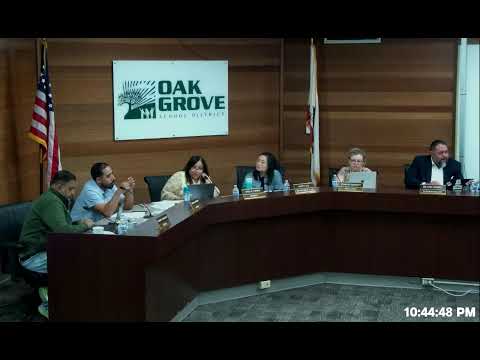
District staff presented preliminary parcel‑tax survey results at the May 14 board meeting, reporting a snapshot of 612 responses that showed roughly two‑thirds of respondents chose “definitely yes” or “probably yes” on a hypothetical property parcel tax. The internal survey also asked respondents to rank funding priorities and price points.
According to staff, the top funding priorities reported by survey respondents were attracting and retaining staff and core academics; sustaining counseling and mental‑health services and athletic/enrichment programs were also frequently identified as important. Price‑point responses were distributed across proposed annual amounts (staff presented options roughly in the $89–$179 per year range) and respondents expressed varied preferences about duration; a plurality favored a continuing tax “until ended by voters,” while five‑ and seven‑year options also attracted support.
Staff cautioned that the online survey is not a representative, registered‑voter poll: responses overrepresent parents and district employees, and respondents may not live inside district boundaries. Trustees discussed commissioning professional polling that uses mixed methodologies (phone, text and mail) to obtain a representative sample of likely voters; trustees also discussed senior and disability exemptions, campaign costs and alternative timing (special election versus November ballot) and agreed that staff should seek more formal polling and refine the proposed measure language before committing to a ballot timeline.
Public commenters and union representatives asked the district to coordinate with labor and the Oak Grove Association on measure language, outreach and campaign planning. Staff noted August deadlines for placing measures on the November ballot and flagged polling costs and the county’s current election‑fee schedule for trustees to consider.
Next steps: staff said they will identify qualified pollsters, refine possible ballot language and return to the board with polling recommendations and updated cost estimates to inform any decision about pursuing a measure for November 2026 or a later date.