Get Full Government Meeting Transcripts, Videos, & Alerts Forever!
Get email alerts on the Budget topic
No spam. Unsubscribe anytime.
Oley Valley board weighs 2025–26 budget options, fund‑balance and summer-program tradeoffs
Summary
At its May 5 committee meeting the Oley Valley School District reviewed the proposed 2025–26 budget, discussed three scenarios (including a 2.57% millage example and an index option near 4%), and directed staff to prepare per‑taxpayer impacts and fund‑balance projections before the May 12 proposed‑final adoption.
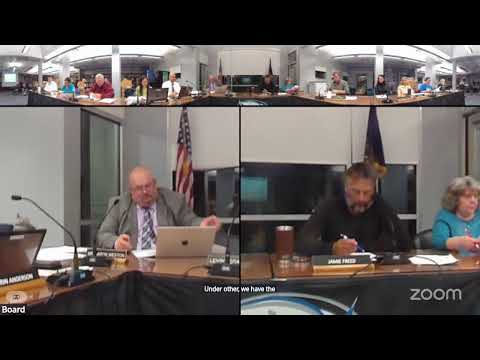
The Oley Valley School District Board of Directors Committee on May 5 reviewed a detailed proposed 2025–26 budget and asked staff to prepare comparative budget scenarios and taxpayer impacts ahead of a proposed‑final adoption next week.
The chair opened the budget presentation by outlining the process used to build the proposal — department requests begun after Thanksgiving, three years of expenditure history, and reclassification of some items to central office to better align spending with the district’s comprehensive plan. The presentation highlighted that many line‑item reductions reflect accounting recoding, the removal of duplicate budgeting and reliance on existing grant reimbursements rather than cuts to core services.
Board members pressed for specifics. The business office explained a roughly $3 million annual debt‑service schedule (two payments, including one in mid‑May) that limits near‑term flexibility, and noted projected increases in liability insurance. Transportation was discussed at length: the district expects to operate one fewer regular bus next year but faces higher special‑education transport costs; the proposed budget shows a modest net transportation increase (about $42,000). Trash and recycling line items rose after a new Waste Management estimate; the presenter said the district budgeted conservatively rather than risk a shortfall.
The presentation included an operational change that had budget effect: psychological services previously contracted through an intermediate unit were moved in‑house with a new hire (Dr. Jones), shifting about $210,000 from contracted services into salaries/benefits and producing a material net savings, the presenter said.
Board members reviewed three budget options: “A,” a baseline reflecting past practice; “B,” which would eliminate most summer transportation except required ESY routes; and “C,” which retains summer transportation at about $20,000. The presenter also displayed millage scenarios (one example shown at roughly 2.57% and an index option discussed near a 4% increase) and the resulting fund‑balance transfers under each alternative. Under the assumptions presented, the district’s projected fund balance would remain above the minimum required in the near term but multi‑year projections showed growing deficits (roughly $2.5M, $3.9M and $5M across three years), prompting trustees to stress caution.
The board directed staff to put options A and C forward for public review, to add an additional column showing the full index increase for comparison, and to calculate the average dollar impact per taxpayer and the projected fund‑balance percentage at year‑end for each scenario. The chair said the proposed final budget will be brought back for action on May 12.
The committee also reviewed routine finance items (depository designations and a one‑year food‑service consulting renewal), accepted several personnel items and scheduled follow‑up work on data to evaluate summer programming before making long‑term changes.