Get Full Government Meeting Transcripts, Videos, & Alerts Forever!
Get email alerts on the Virtual Education topic
No spam. Unsubscribe anytime.
Pearson representative presents proposal for Millersburg-branded virtual K–12 program
Summary
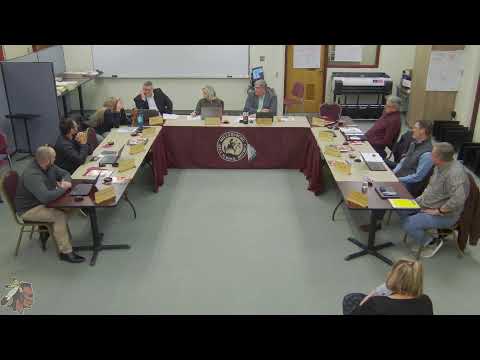
A Pearson representative (Mary Beth) presented a K–12 virtual platform to the Millersburg Area SD board, describing curriculum, teacher supports, AP offerings and program models, and said the platform can be operated under Millersburg branding to bring online students back into the district. The board requested follow-up information and enrollment/cost scenarios.
Mary Beth, a representative from Pearson Virtual Schools, presented a proposal for a Millersburg-branded online K–12 program and described curriculum, teacher support, and operational responsibilities. She said the platform can be operated by Pearson while students remain enrolled in Millersburg and graduate with a Millersburg diploma.
Why it matters: The proposal would let the district offer a district-run virtual option to students currently enrolled in outside cyber programs, potentially recapturing enrollment and local revenue while providing a synchronous/asynchronous instructional model that includes Pennsylvania-certified teachers, AP offerings and supports for students with individualized education plans.
During a roughly 30-minute presentation, Mary Beth outlined the Connectus/Connections Academy model: a K–12 curriculum including music, art and PE in early grades, electives starting in third grade, gifted programs and an expanded high school catalog that includes AP and NCAA-approved courses. She said the company runs district partnerships and statewide schools and highlighted data showing Connections students’ projected gains on standardized assessments compared with national trends during the pandemic period. Mary Beth said teacher-led live lessons, teacher office hours, messaging, and recorded lessons are all part of the model to support both independent learners and students who need more one-on-one attention.
Mary Beth described operational roles: the district would retain enrollment authority, diploma issuance and responsibility for state testing, special education ancillary services and counseling; Pearson would provide curriculum, licensed teachers (or district teachers if chosen), a district success partner to support implementation, training for administrators and teachers, and marketing support if requested. She said licensing is flexible (full-time licenses and course licenses are reusable), and districts commonly ask for a semester commitment to allow a program to ramp up.
Key numbers and program details given in the presentation included an existing district online enrollment of about 62 students, an operational minimum Pearson usually looks for of about eight full-time students to make a program viable, and roughly 20 AP course offerings. Mary Beth said the platform can accommodate students with IEPs: district staff remain responsible for ancillary services while Pearson teachers attend IEP meetings and serve as teachers of record when contracted.
Board members asked about the relationship between Pearson and other virtual providers such as CCA; Mary Beth said some historical partners have rebranded and that curriculum usage varies by partner. She also discussed options for districts using a hybrid model (district teachers for lower grades and Pearson teachers for high school) and confirmed that curricula are aligned to Pennsylvania standards but may require local scope-and-sequence adjustments.
Next steps noted on the transcript: board members asked administration to follow up with additional information and materials from Pearson, including examples of operating agreements, cost/enrollment scenarios, and clarifications about curriculum alignment and licensing options. The board did not take a formal vote on a contract at the meeting.
"We're bringing kids back to the district that left," Mary Beth said, describing the proposal as a way to return students enrolled in external cyber options to Millersburg while preserving local diplomas and connections to the district.
The board requested follow-up documentation and the opportunity to review contract language and cost estimates before any formal decision.