Get Full Government Meeting Transcripts, Videos, & Alerts Forever!
Get email alerts on the Pilot Agreements topic
No spam. Unsubscribe anytime.
Consultant Keith Powell urges strict terms, audits in Pleasantville PILOT negotiations
Summary
At a Pleasantville public session, consultant Keith Powell advised municipal leaders to require clear PILOT definitions, annual audits and minimum payment thresholds to protect town revenue, school funding and infrastructure from developer workarounds.
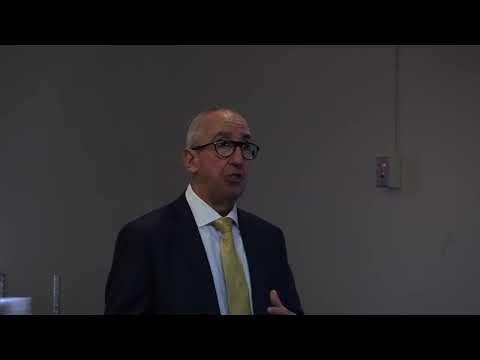
Keith Powell, a partner at accounting firm PKF O'Connor Davies, told a Pleasantville public information session that municipalities must negotiate precise Payment in Lieu of Taxes (PILOT) agreements to avoid long-term revenue loss and unexpected infrastructure costs.
Powell said a PILOT is "a payment in lieu of tax" negotiated between a municipality and a developer and stressed that the precise formula — phased-in payments, a percentage of construction cost, or a share of gross revenue — must be chosen and structured project by project. He described past cases in Jersey City and Newark where ambiguous contract language and affiliate leasing arrangements reduced municipal receipts.
Why it matters: PILOT terms can affect the Pleasantville Public School District, municipal services and taxpayer bills. Powell warned that developers commonly understate revenues, construction costs or student impacts, and that delayed or missing audit reports can hide shortfalls until years after a project opens.
Powell urged officials to insist on specific, enforceable language in agreements, including a clear definition of "gross revenue," an annual independent audit requirement and a minimum threshold payment so the town receives a guaranteed amount even if developer projections change. "You have to define what's gross revenue," he said, arguing that collections beyond rent — laundry, event income and retail space — should count toward a developer's payment.
Session participants raised practical concerns: one attendee said plainly, "It is not going to lower our taxes," reflecting community skepticism about direct tax relief from PILOTs. Panelists discussed school impacts, noting developers' studies sometimes project only a handful of new students; Powell said municipalities should verify such projections with local enrollment data and budget the Pleasantville Public School District's likely additional costs.
Infrastructure consequences drew several examples: Powell noted that four-story developments may force volunteer-fire towns to acquire ladder trucks or share apparatus with neighboring municipalities, and he recommended requiring developers to fund capacity upgrades for sewer hookups and emergency services where needed. On sewer billing he advised making developers responsible for extra flow and ensuring the regional sewer authority has capacity before projects proceed.
Powell also described common compliance failures: some projects did not submit required annual audit reports, and developers have used affiliated-companies and master leases to report lower taxable revenue. In those cases, he said, municipalities have successfully gone back to recoup underpayments after review. "They were basically cheating the city of Newark," he said of one scheme; Powell added that recovering funds is possible through audit enforcement and negotiation.
The session emphasized that PILOTs are legal, negotiable agreements tailored to a municipality's needs and should align with the town's master plan and community priorities. Powell recommended regular intergovernmental coordination — including tax assessors, tax collectors and school officials — to monitor compliance and cash-flow effects.
The session ended with Powell thanking attendees and urging continued public engagement and scrutiny of draft agreement language. No formal vote or municipal action was taken at the meeting.