Get Full Government Meeting Transcripts, Videos, & Alerts Forever!
Get email alerts on the Youth Mental Health topic
No spam. Unsubscribe anytime.
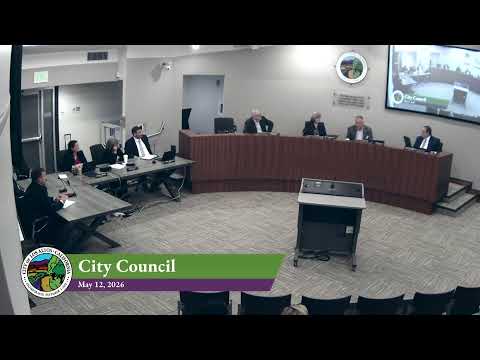
Council declines $10,000 CASI request after debate over school funding gap
Summary
CASI asked the council for $10,000 to support school-based mental-health infrastructure; councilors debated whether city funds should fill gaps created by school contracts and whether the grant would create long-term dependency. A motion to grant the funds failed.
CASI Counseling and Support Services for Youth (CASI) requested $10,000 from the City of Los Altos to support clinical program infrastructure for school‑based mental‑health services. Mary Gloner, CASI’s interim executive director, told the council CASI provided hundreds of individual sessions to Los Altos students last year and that the $10,000 would help fund supervision, program management and other backbone costs that school contracts do not fully cover.
Council members probed CASI’s contracts and finances. CASI representatives said school district contracts typically cover roughly 80% of direct counseling hours, leaving a fundraising gap for administrative supervision and program infrastructure. Council members raised concerns that the city’s general fund comes from the same local tax base that supports school districts and that subsidizing a recurring contract gap could create long‑term dependency on municipal grants for school services.
Vice Mayor Lang moved to approve the $10,000 grant; the clerk recorded the roll call and the motion did not pass (recorded in the transcript as failing after a split vote). Dissenting councilors said CASI’s model and the scope of city benefit did not justify the expenditure in this instance; supporters emphasized CASI’s local service to Los Altos students and the modest size of the request compared with the program’s localized benefits.
Why it matters: The discussion surfaced policy questions about the appropriate use of limited city general funds to supplement school‑funded services and whether small municipal grants are the right lever to sustain school‑based mental‑health infrastructure. Council asked CASI to pursue other regional and philanthropic funding and to clarify program budgets if it returns in the future.