Get Full Government Meeting Transcripts, Videos, & Alerts Forever!
Get email alerts on the District Budget topic
No spam. Unsubscribe anytime.
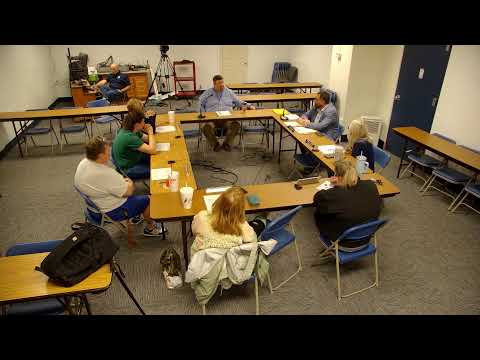
Estill County board reviews conservative tentative budget, warns of worst‑case enrollment scenario
Summary
At a May 14 work session the Estill County Board of Education reviewed a tentative general‑fund budget built on a conservative, worst‑case attendance forecast; staff said projected state SEEK funding is roughly $11 million and outlined revenue streams, efficiencies and risks. No final budget vote was taken.
Estill County Board of Education officials on May 14 presented a conservative tentative general‑fund budget that assumes lower average daily attendance and only the minimum guaranteed state funding, leaving room for upward revisions later in the summer.
The presenter, identified in the meeting transcript as the board’s primary budget presenter (Presenter, S3), told the board the state increased the SEEK seat base by $40 to $4,626 per seat this year and that district funding is tied to average daily attendance (ADA), not total enrollment. “This is our tentative budget,” the presenter said, adding the final working budget is due in September and that the materials show a worst‑case projection so the district will not be relying on unconfirmed revenues.
Why it matters: SEEK funding and ADA drive most of the district’s state revenue. Using cautious projections helps prevent shortfalls if fewer students attend than expected, while additional counts for virtual or performance‑based students and potential property valuation changes could increase revenue later.
Key figures and revenue streams: staff said the district’s projected state SEEK funding under the conservative scenario is approximately $11 million and described other revenue components — local property and vehicle taxes, a utilities tax, omitted property‑tax recoveries, interest on investments and miscellaneous receipts. The presenter credited increased Medicaid reimbursements and tighter coding practices across grants for improving the district’s position, noting Medicaid reimbursements have risen substantially and are approaching the district’s goal of covering nursing staff costs.
On restricted funds and constraints, staff explained capital outlay (about $100 per ADA) and local “nickels” must be moved to separate funds for capital and debt service before the board spends general‑fund dollars. The presenter emphasized those funds are legally restricted and cannot be used for salaries.
Operational changes and efficiencies: the presenter and other staff pointed to operational savings — a vendor change that reduced parts costs by roughly 15% and technology line‑item savings the presenter estimated at more than $200,000. The district plans to continue fleet rotation and route‑efficiency work to address driver shortages and lower transportation costs. The district is also preparing to roll out an integrated HR/payroll/timekeeping system (referred to in the meeting as “Red Rover”) intended to automate timesheets and improve data flow with the district accounting system.
Programs and reimbursements: staff highlighted a small paid 3‑year‑old tuition program at South Irvin (about $25 per day for participating children) as a modest additional revenue stream and described routine practices for purchasing grant‑funded items and seeking reimbursement (for example, AED purchases reimbursed by state grant funds).
Audit/corrections and transparency: the finance staff described prior accounting corrections that required adjustments to prior‑year receivables and fund balances; auditors are completing their work and board members were told auditor reports and budget documents will be publicly available. The working budget is expected to be posted on the district website beginning July 1, and paper copies are available at central office.
What’s next: the board did not adopt a final budget at the work session. Staff presented two bank bids for the board’s prospective decision at a future regular meeting and urged members to review the tentative budget over the summer; the final working budget must be certified in September.
Quotes: the presenter said, “I wanted to walk through this so that you all, as a board and the public, know exactly what we mean when we say SEEK funding and how it calculates.” The chair opened and closed the session and thanked staff for the presentation.
The work session closed without a budget vote; board members moved to adjourn at the end of the recorded meeting.