Get Full Government Meeting Transcripts, Videos, & Alerts Forever!
Get email alerts on the Events topic
No spam. Unsubscribe anytime.
Organizers push back after city staff propose $800–$1,000 street‑closure fee; plan for volunteer traffic stewards suggested
Summary
City staff proposed standardizing street closures and recovering overtime/equipment costs (estimated $800–$1,000 per closure); downtown event organizers, the State Theater and several nonprofits objected, offering alternatives such as a volunteer traffic‑steward program, shared barricade inventory, SPF purchases for legacy events, and training for volunteers instead of a steep fee.
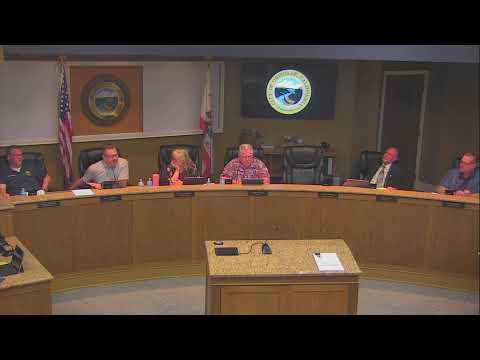
A staff proposal to standardize street closures and have the city provide barricading and traffic control — recovered by higher fees to cover overtime and equipment — drew widespread opposition from downtown event organizers, arts groups and service clubs at the April 6 council meeting.
Staff rationale and fee estimate Public‑works staff said consistency and safety require trained personnel and equipment to set up and strike closures, and that two city staff called back on overtime plus equipment handling typically cost about $800–$1,000 per closure. The proposal suggested increasing applicant fees to reflect those costs and exploring SPF grant funds to cover recurring “legacy” events.
Community response: alternatives and concerns Event organizers strongly objected, saying many events are run by small nonprofits and volunteers and that a $1,000 fee would make street closures prohibitive. Cindy Danaluke of the State Theater Arts Guild described a recent block closure that drew 300 visitors and helped local restaurants and retailers. Josh McCquary of a nonprofit car club and Gina Garcia, who organized a recent downtown festival, said organizers provided barricades and volunteers at low cost and feared the fee would kill new and small events.
Multiple speakers offered alternatives: a city‑run traffic steward volunteer registry, a shared inventory of barricades purchased with grant funds, a standard traffic‑control template for recurring downtown closures to reduce permit friction, and free or low‑cost training and certification for volunteer traffic stewards. Several council members and public speakers pointed to using SPF funds to buy additional barricades and to a city‑led training program as lower‑cost ways to improve safety while preserving events.
Council direction The council did not adopt new fees at the meeting. Members expressed broad support for a cheaper, safer approach that preserved volunteer involvement and nonprofit capacity, and for seeking SPF or capital funds to buy additional barricades. Staff were directed to explore a volunteer traffic‑steward program, inventory and storage options for barricades, and a narrowly defined set of safety standards for closures to reduce liability while retaining access for community groups.
What to watch: staff to return with a draft policy and costed options. For legacy festivals and civic events the council said it would consider targeted funding, while insisting any fee structure should apply equally and should not automatically shut out volunteer‑run events.