Get Full Government Meeting Transcripts, Videos, & Alerts Forever!
Get email alerts on the Oral History topic
No spam. Unsubscribe anytime.
West Hollywood invites residents to record stories for StoryCore archive
Summary
West Hollywood is hosting a StoryCore recording booth at Crescent Heights and Santa Monica Boulevard, inviting residents to share stories for preservation. Recordings will be archived at the American Folklife Center, and a city portal on StoryCore's website allows listening and submission.
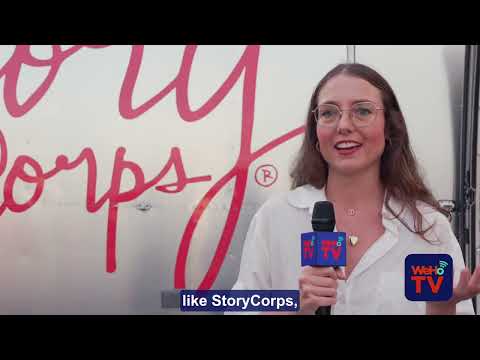
Sheri Lun, West Hollywood public information officer, stood at a StoryCore recording booth at the corner of Crescent Heights and Santa Monica Boulevard and encouraged residents to step inside and "share their story, their love for the city." She said the city partnered with StoryCore to capture local voices and memories.
The project gives community members a chance to record memories and reflections that the city will preserve long-term. Sheri Lun said the recordings provide a way to "really, really share with everyone what makes the city truly unique" and framed the effort as part of marking West Hollywood's 40th anniversary.
StoryCore, founded in 2003, collects oral histories and provides digital access; the city noted recordings from the project will be preserved at the American Folklife Center at the Library of Congress. A StoryCore presenter said the initiative "feels like such a perfect way for the city to showcase its 40th anniversary," adding that StoryCore helps people "tell their truths and bear their testimony." The presenter emphasized that contributors can range from city founders to long-term residents and people who work or visit in the city.
Organizers also highlighted that StoryCore provided West Hollywood with a dedicated portal on its website so anyone can record remotely or listen to the collected stories. Speakers closed with a direct invitation to participate and provided the project page: storycore.org/cityofwesthollywood.
The city framed the project as an opportunity to collect small, everyday stories that might otherwise be lost and to preserve them for future generations.