Get Full Government Meeting Transcripts, Videos, & Alerts Forever!
Get email alerts on the Budget topic
No spam. Unsubscribe anytime.
Mayor says Wisconsin Rapids will give 2.5% one-time employee bonus amid budget shortfall
Summary
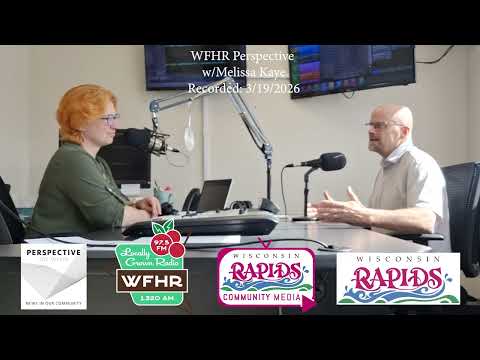
Mayor Matt Zacher told WFHR the city faced an $850,000 budget shortfall, used hiring freezes and reduced department budgets, and approved a one-time 2.5% bonus for nonrepresented employees instead of a permanent wage increase.
Mayor Matt Zacher said Wisconsin Rapids faced an $850,000 shortfall in preparing the fiscal-year budget and that city departments trimmed requests to help close the gap.
To address remaining pressures the city placed a hiring freeze on three open positions and decided against a permanent cost-of-living increase for nonrepresented employees. Instead, the council approved a one-time 2.5% bonus for affected employees, Zacher said. "What we chose to do after the budget came in ... is let's do a 2 and a .5% bonus this year," he said.
Zacher cautioned that a bonus differs from a wage increase that becomes part of base pay and warned that if the city cannot find new revenue or restore raises in future budgets, employees could feel a real-term decline in pay next year. He said unions for firefighters, paramedics and police remain under multi-year contracts that already lock in their negotiated wages.
The mayor said the city is pursuing revenue options and continuing efforts to reduce costs, including a long-term 15–20-year street-maintenance plan. He did not provide line-item budget documents or an exact cost projection for the bonus program during the interview.
Zacher framed the step as an alternative to layoffs and emphasized the city's effort to avoid involuntary staff reductions while balancing service needs and fiscal reality.