Get Full Government Meeting Transcripts, Videos, & Alerts Forever!
Get email alerts on the Vital Records topic
No spam. Unsubscribe anytime.
House passes birth‑certificate modernization; floor rejects amendments to create new registries
Summary
The House passed SB 626 to streamline gender‑marker updates on birth certificates while rejecting floor amendments that would have required additional CRISP records or sealed birth histories; members debated medical‑care access, privacy and fraud safeguards.
The House approved Senate Bill 626, a bill to modernize procedures for changing gender markers on birth certificates and to require the Secretary of Health to maintain birth information histories. The measure prompted contested floor amendments over whether biological sex information should be pushed to CRISP to aid emergency care and whether a secure, sealed history should be codified.
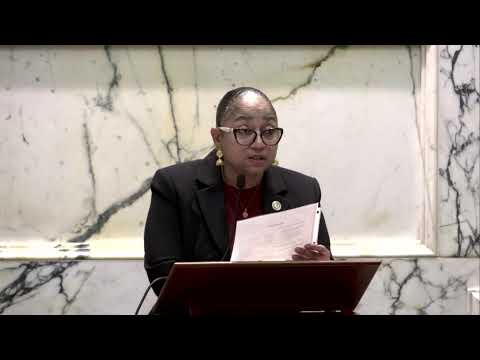
A delegate from Harford County offered an amendment to have the Secretary generate a CRISP record indicating biological sex so emergency rooms would have necessary clinical context. “This is not a public registry, but I think it would protect… medical professionals, particularly my concern is the ER, what the biological gender of the individual is so they can receive proper medical care,” the delegate said on the floor. The floor leader and others opposed the amendment, warning it could create a de‑facto registry and noting that CRISP already contains clinical diagnoses, prescriptions and lab results that providers can access.
A second amendment seeking a sealed birth‑information history with controlled access was also rejected after committee leaders said statute already requires sealing original certificates and related documents and voiced concerns about creating an administrable registry. Speakers described competing priorities: ensuring clinicians have relevant medical information in emergencies versus protecting privacy and avoiding inadvertent disclosure or registries of gender‑marker changes.
After roll call, the clerk announced the bill had received the constitutional majority required and declared it passed (91 ayes, 36 noes). Lawmakers on the floor urged careful implementation and noted the department’s existing record‑keeping obligations.
The bill will proceed as part of the legislative process; the House’s rejections of the proposed amendments mean that CRISP reporting and sealed‑history requirements were not added in the final House version.