Get Full Government Meeting Transcripts, Videos, & Alerts Forever!
Get email alerts on the Boces Budget topic
No spam. Unsubscribe anytime.
Duchess BOCES outlines $130M budget, flags rising special‑education demand and partnerships with Millbrook
Summary
Duchess BOCES officials presented their 2026–27 proposed budget, explained major program lines (alternative education, CTE, cross‑contracts), and warned of growing special‑education kindergarten referrals and space constraints affecting placements.
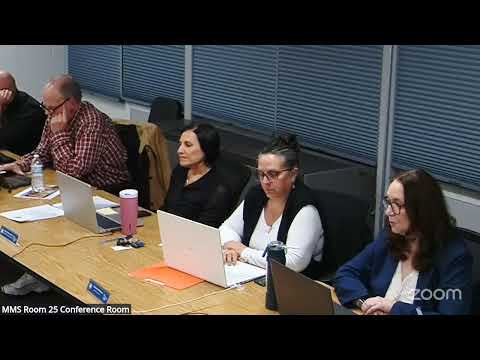
Representatives from Duchess BOCES presented to the Millbrook board and described the agency’s 2026–27 budget development, program mix and how those services interact with component districts.
Dr. Jod Lucha, introduced as the Duchess BOCES district superintendent, thanked Millbrook for partnership and noted the BOCES budget is "around $130 million," with major spending lines in special alternative education, career and technical education (CTE), cross‑contracts and management services. Michael Scarret, assistant superintendent for business services and operations, walked trustees through the BOCES budget calendar and assumptions, including collective bargaining impacts and health‑insurance projections. He said the administration used an average 9.9% health‑insurance increase in planning with a lower retiree increase (~5.23%) because most retirees are Medicare‑eligible.
BOCES officials also described capital allocations, rental fees paid to component districts when BOCES programs use classroom space, and the statutory requirement to return annual surpluses to component districts. Dr. Deluchia highlighted programming: three students in a Pegasus special‑education class, 29 students in CTE at the CTI building across trades (automotive, welding, cosmetology and others) and a growing referral pipeline for early childhood special‑education placements — 85 referrals in 2022 versus 180 by the end of 2025, of which BOCES accepted roughly 40.
BOCES staff said the growth in referrals and space constraints have driven a space‑utilization study; they urged component districts to consider partnerships and classroom rental arrangements to expand placement capacity. Trustees asked whether contingency cuts would affect CTE and special‑education programs; presenters warned that non‑mandated services would be on the table under deep reductions and that cutting services can compound aid‑rate impacts over multiple years.
The BOCES presentation concluded with an invitation for board members to attend BOCES’ annual meeting and for districts to submit letters supporting a public service commission examination of utility readiness related to electric‑bus mandates.