Get Full Government Meeting Transcripts, Videos, & Alerts Forever!
Get email alerts on the Labor Negotiations topic
No spam. Unsubscribe anytime.
Dodge teachers press district on pay, plan time and five proposed collaboration days; district says safety topics are permissive
Summary
Teacher bargaining representatives presented a package of proposals—salary step/column modernization, increased plan time, hazard pay, PTO conversion and a five-day non-student-contact collaboration proposal estimated at $678,000—while the district distinguished mandatory from permissive topics and offered committee-based follow-ups.
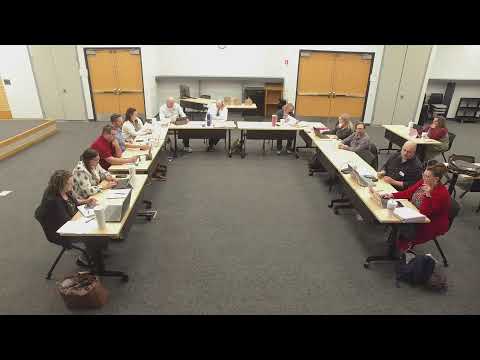
Representatives for certified staff and district administrators met to review negotiation letters and lay out priorities ahead of formal bargaining, discussing pay scales, workload, safety and a proposed five-day addition for collaboration and professional development.
Lori, an attorney with the Kansas Association of School Boards, and bargaining-unit presenters outlined why their side is seeking changes to “hours and amounts of work,” salary steps and columns, and other contract language. The union representatives said more than half of certified staff had already received a one-time $5,000 payment and that continuing collaboration in some form for the 2026–27 school year was their initial preference. “We have talked five,” the bargaining representative said when describing one model discussed: adding five non-student-contact days to the calendar as standalone collaboration/PD days.
Why it matters: union leaders said additional minutes or days would provide more time for student supervision, instructional support and professional learning. They proposed modernizing the salary schedule (examples offered included additional columns for BS+45 or MS+45) and increasing compensation for extra duties such as summer school and mandatory outside-of-contract training.
Cost estimate and calendar mechanics: the union presented a district-wide cost calculation for five additional days, reporting a recalculated base-salary cost of $678,000. The presenters described frontloading some days to support a multi-year English language arts adoption and keeping regular touchpoints during the school year; they asked that the calendar or professional-development committee (PDC) coordinate placement of any additional days so they align with district needs.
Workload, plan time and scheduling: teacher delegates pressed for larger, protected plan-time blocks at elementary and middle schools and asked the district to eliminate walking duties that reduce usable planning time. Presenters noted elementary teachers commonly have two fragmented 25-minute plan blocks that lose minutes when escorting students to specials; they suggested back-to-back plan periods or schedule changes so teachers can use planning time effectively.
Pre-service days, PD timing and leave: the union asked that limited pre-service days for new teachers be specified and paid at a full daily rate rather than a substitute rate. They also proposed removing two-hour professional-development blocks from workdays and moving to a PTO system (combining sick and personal leave) to give staff more flexibility.
Safety and hazard pay: bargaining representatives requested hazard pay and counseling access for staff who are threatened or injured by students or guardians, and full replacement reimbursement for damaged personal property. The district responded that safety issues are important but characterized such protections as permissive topics that can be discussed outside of the legally-mandated negotiation subjects. Board attorney Clayton Cers summarized the district’s position on a related point, saying, “It’s class size. It’s not mandatory.”
Retirement and sick-pay concerns: the union raised retirement-benefit language and sick-leave payout issues, asking the district to consider reduced in-district service requirements for retirement benefits and clarification of sick-leave payout formulas; the district said those items are mandatorily negotiable and will be discussed.
Budget and supplemental lines: the district said activities and athletics funding are included under budget code 56 and offered to supply further budget detail so the union’s costing proposals could be checked against capital and operating constraints.
Next steps: both sides agreed to caucus briefly and return with follow-up materials. The union said it would share survey graphs and a tracker of districts that use built-in collaboration days; district staff recommended coordinating with the calendar committee and the PDC to ensure any added days are placed where they best serve instructional priorities.
The meeting concluded with agreement to exchange data (survey responses, budget code detail) and to schedule targeted follow-up meetings rather than moving every permissive topic into the negotiated agreement.