Get Full Government Meeting Transcripts, Videos, & Alerts Forever!
Get email alerts on the Family Court Oversight topic
No spam. Unsubscribe anytime.
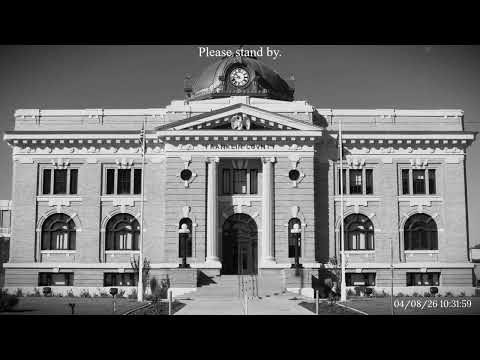
Residents press Franklin County commissioners on alleged family‑court abuses; workshop planned
Summary
Dozens of residents told the Franklin County Board of Commissioners April 8 that family‑court practices have caused harm and asked the county to preserve records, refer complaints to oversight bodies and host a workshop; commissioners agreed to schedule a workshop to collect information and next steps.
Dozens of speakers used the county’s public‑comment periods April 8 to accuse local family‑court officers of procedural failures and to demand action from the Franklin County Board of Commissioners.
“Oaths do matter,” Forest Gordon told the panel, naming three family‑court commissioners and saying his family’s rights had been violated. Other speakers described long legal battles, costly evaluations and supervised‑visit regimes they called unjust; several urged the county to preserve records and refer allegations to the Commission on Judicial Conduct and the Washington State Bar.
The testimony centered on claims that judges, commissioners and some attorneys have failed to review evidence or have shown improper relationships that influenced case outcomes. Speakers cited an evolving tally of cases — publicly referenced in testimony as roughly 230 to 300 — and urged the board to publicly document complaints so oversight bodies can investigate.
In response, the county administrator said staff would schedule a public workshop to gather stakeholders and information, and commissioners encouraged residents to continue submitting written materials. The administrator also confirmed that meeting recordings and submitted correspondence are preserved and that staff will work to compile relevant material for a workshop.
The comments included references to draft and proposed state‑level remedies (identified by speakers as the "Decker Law") and to advocacy resources such as dueprocessproject.org; workshop organizers told the board they would invite legal experts and legislative staff to explain next steps. The board did not take a legislative action at the meeting; commissioners described the workshop as a forum to collect testimony and explore possible administrative or referral options.
What happens next: the county will set a date for a workshop, collect the written materials provided by commenters, and return to the board with options for next steps, including how to preserve records and which oversight bodies might be asked to review specific allegations.