Get Full Government Meeting Transcripts, Videos, & Alerts Forever!
Get email alerts on the Equine Health topic
No spam. Unsubscribe anytime.
Local veterinarians outline colic signs, vaccination choices and legal limits on dispensing drugs
Summary
Veterinarians at a Rancho Palos Verdes City forum explained colic warning signs, discussed commonly recommended vaccines including rabies considerations, and warned owners about legal risks of sharing prescription medications.
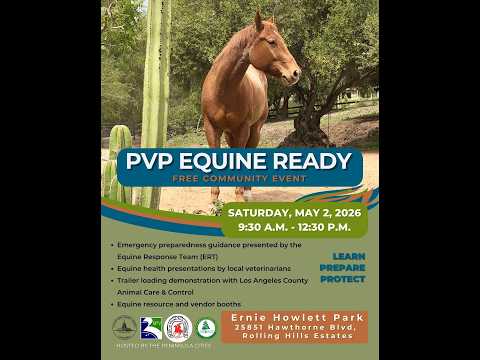
Veterinarians at a community preparedness event in Rancho Palos Verdes City used case examples to explain how owners can recognize and respond to equine medical emergencies.
Panelists described colic as abdominal pain that can present in many ways — repeated lying down and getting up, pawing, looking at the belly, decreased appetite and altered mentation — and said owners should record temperatures and heart rates and call a veterinarian promptly. "Recognition and referral is paramount," a veterinarian said, noting that speed of referral improves survival after surgeries for severe colic.
On vaccination, panelists listed commonly recommended inoculations (eastern and western encephalitis, tetanus, West Nile, influenza, equine herpes/rhino, strangles and rabies) but left final decisions to owners in consultation with their veterinarians. Several panelists said rabies is rare in horses locally but is present in the bat population and is 100% fatal if contracted, so they personally prefer rabies vaccination for horses they handle.
Speakers also addressed medication: they advised owners not to give prescription drugs intended for one animal to another. "Illegally ... you cannot use medications that have been dispensed to your horse for any other horse," a panelist said, warning that such transfers can expose the giver to legal liability and undermine appropriate veterinary oversight.
Why it matters: Early detection of colic and a timely decision about transport to an equine hospital can be life-saving. Vaccination decisions balance local disease prevalence, travel plans and interaction with other horses; medication should be used under veterinary advice to avoid improper dosing or masking serious conditions.
Event materials provided additional guidance on first-aid supplies and emphasized keeping veterinarian contact details on shelter paperwork.