Get Full Government Meeting Transcripts, Videos, & Alerts Forever!
Get email alerts on the Animal Preparedness topic
No spam. Unsubscribe anytime.
Veterinarians at Rancho Palos Verdes event urge microchipping, trailer-ready 'go' kits and practiced evacuation plans
Summary
At a Rancho Palos Verdes City preparedness session, veterinarians urged animal owners to microchip animals, keep up-to-date medication and feed lists, maintain trailers, and practice loading drills so evacuations are faster and safer.
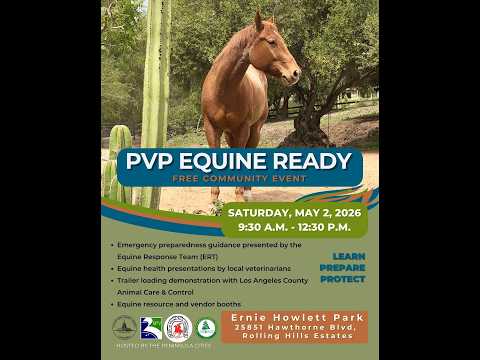
Veterinarians at a Rancho Palos Verdes City emergency preparedness event told animal owners that planning well before a fire or flood — and practicing — makes the difference between reunification and loss.
"Microchipping is a huge thing," a veterinarian on the panel said, urging owners to talk to their veterinarians about microchip clinics and registration. The panel said microchips, combined with collars carrying owner contact and medical notes, help shelters reunite animals and reduce time in crowded facilities.
Panelists recommended owners assemble multiple "go" kits: one in a trailer, one in the car, one at home and one at work. Those kits should include medication (insulin or seizure meds where appropriate), copies or photos of vaccination and medical records, microchip numbers, secondary emergency contact numbers and basic supplies such as halters and bandage materials.
The veterinarians urged owners to keep trailer maintenance current — check tires, floors and lights — and to rehearse loading and unloading with every type of trailer they may encounter. "Practice your drills," the panel said, noting that owners who rehearsed were more likely to get animals safely out in minutes when fires moved quickly.
Local animal-control staff also encouraged owners to register with city and county alert systems and to save veterinarian contact information where responders can reach it. "Repetition is the mother of all skills," Lieutenant Armando Farfino of Los Angeles County Animal Control said, describing the county's role in assisting evacuations and training volunteers.
Why it matters: The panel said shelters can become stressful for animals after several days, increasing medical risks; rapid identification and timely transport to known, vetted facilities reduces disease spread and improves outcomes. Organizers suggested owners identify buddy barns outside their immediate neighborhoods and photograph records for quick electronic access.
Event organizers and county animal control offered additional handouts and resources at the venue and invited interested community members to join large-animal volunteer teams or local CERT training to improve preparedness.