Get Full Government Meeting Transcripts, Videos, & Alerts Forever!
Get email alerts on the Literacy Movement topic
No spam. Unsubscribe anytime.
'The Right to Read' film frames literacy as civil‑rights issue; panelists debate methods and scale‑up
Summary
At a Delaware panel screening of The Right to Read, film protagonist Kareem Weaver called literacy a civil‑rights issue and described national organizing; panelists debated curriculum choices, the 'reading wars' and how to scale classroom practices.
Kareem Weaver, the lead protagonist in the documentary The Right to Read and co‑founder of Fulcrum, told the panel that the movement to prioritize evidence‑based reading instruction has grown into a civil‑rights effort. Weaver cited a national NAACP resolution passed in October 2024 and urged educators and leaders to treat literacy as urgent and systemic.
“We have to get them to read,” Weaver said in the session, framing literacy as foundational to broader life outcomes and recounting interviews and historical context presented in the film. The film clips shown at the panel included classroom scenes and testimony from teachers and caregivers about methods historically known as whole language or balanced literacy and the limits those methods have for many students.
Panelists noted national data cited in the film: the National Assessment of Educational Progress (NAEP), which speakers used to illustrate persistent reading challenges. A film narrator said the NAEP shows that roughly two‑thirds of students are not meeting expectations and that nearly half of fourth‑grade children of color cannot read at a basic level, framing the problem as widespread and long‑running.
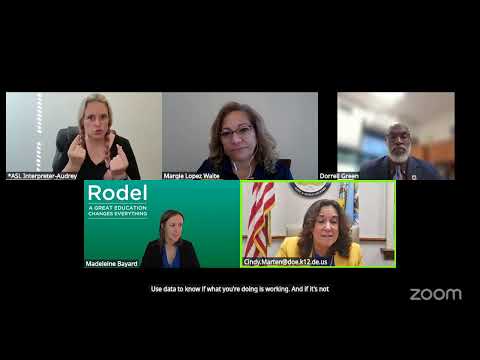
Speakers and the film discussed how methods matter for different learners. Margie Lopez Waite, who leads a dual‑language charter, said her school supplements longstanding curriculum with phonics where needed and seeks teacher input when adopting materials. Dr. Durell Green said districts are moving away from buying programs as a fix and toward investing in personnel, coaching and assessment systems to ensure fidelity and to adapt to student needs.
The film and the panel repeatedly returned to a practical point: policy or legislation alone does not teach; implementation in classrooms — through teacher training, coaching and ongoing assessment — determines whether students learn to read.
Panelists ended by urging educators to protect daily reading time, to make small, measurable coaching cycles part of practice and to share successful local models for broader scaling.