Get Full Government Meeting Transcripts, Videos, & Alerts Forever!
Get email alerts on the Excavation Policy topic
No spam. Unsubscribe anytime.
Resident asks planning board for more time to comply with excavation permit rules; staff recommends one-year path to compliance
Summary
A neighbor and the operator of a long‑running private pit asked the board for a deferment while the town finalizes excavation regulations. Staff said state law and DES requirements (including a 1991 excavation report needed for grandfathering) limit options and recommended a one-year compliance timeline anchored to a reclamation plan and bond.
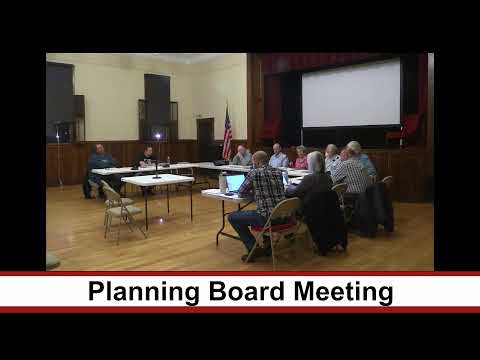
At the May 14 meeting, the planning board heard an extended public request from Emily Curlo on behalf of neighbor Mike Johnson, owner of a long-running private pit at 56 Cory Pond Road, asking for additional time or relief to comply with excavation-permit requirements.
Curlo said the pit has operated since at least the 1950s and that Johnson has filled out annual intent-to-excavate paperwork for years. Town staff and legal counsel told the board, however, that state law requires two clear elements to qualify a site as grandfathered under RSA 155‑e: documented lawful operation between Aug. 24, 1977 and Aug. 24, 1979, and a subsequent excavation report filed by Aug. 4, 1991. Curlo said the community collected witness statements showing operation during the 1977–79 window but staff and Johnson could not locate a 1991 excavation report, so the pit cannot be declared grandfathered under state rules.
Curlo urged the board to consider allowing more time (she proposed an additional five years) to enable Johnson, an 87‑year‑old farmer with limited resources, to assemble required materials; she said some local projects rely on small pits for sand supply. Town staff told the board they were sympathetic but uncomfortable extending compliance beyond one year without a reclamation plan and surety bond because the town needs a plan on file and the authority to enforce reclamation if the operator fails to act. Staff recommended further research, suggested possible remedies (ordinance drafting, size-based relief, or coordination with the selectboard), and proposed a follow-up meeting to pursue options.
Board members expressed willingness to explore relief options that would not lower standards for everyone and discussed a joint conversation with the selectboard and legal counsel. Staff will continue to inventory permitted and grandfathered sites, verify records, and report back with potential options and proposed language for an ordinance or temporary relief.