Get Full Government Meeting Transcripts, Videos, & Alerts Forever!
Get email alerts on the Municipal Finance topic
No spam. Unsubscribe anytime.
City gets detailed sales‑tax briefing as council weighs strategies to diversify revenue
Summary
City staff presented a sales‑tax information briefing showing $1.4 million in 2024 sales‑tax revenues (about 8% of the $19M city budget), with the Historic District generating roughly $427,000; council and merchants discussed storefront uses, diversification, and data tools for monitoring trends.
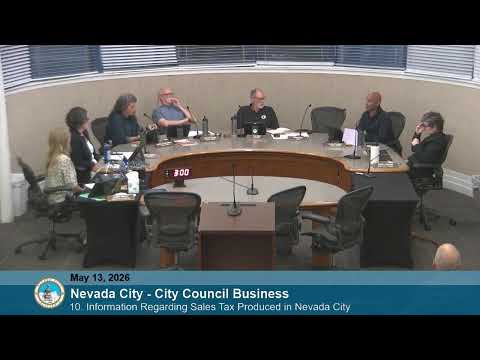
Nevada City staff delivered an informational briefing on sales‑tax receipts and structure at the May 13 council meeting, reporting $1.4 million in 2024 sales‑tax actuals — approximately 8% of the city’s $19 million budget.
The City Manager described revenue sources and noted that the Bradley‑Burns local sales and use tax provides 1% of local sales tax; additional voter-approved measures and special taxes are separate and restricted. Staff emphasized that a large share of the city’s sales tax comes from state/county pool allocations and fuel/service stations; restaurants and hotels account for about 18% of local sales tax while retail accounted for about 9% of the city’s sales‑tax receipts in 2024.
Todd Wojoski, speaking for Nevada City merchants, noted the Historic District generated about $427,000 in sales tax last fiscal year and urged the council to place a general‑business‑zone rewrite on a future agenda to protect ground‑floor commercial character. Council members discussed using HDL and other tools to monitor trends, the importance of diversifying revenue beyond tourism, and potential strategies to attract retail that keeps spending in town.
Staff said HDL provides quarterly reports and interactive dashboards under confidentiality agreements and that the city will explore publishing more aggregate snapshots for council and the public. Council members agreed the briefing is a helpful starting point for longer-term conversations about zoning, economic development and the budget.