Get Full Government Meeting Transcripts, Videos, & Alerts Forever!
Get email alerts on the Property Tax topic
No spam. Unsubscribe anytime.
County manager warns proposed homestead changes could leave major budget gaps
Summary
Alachua County manager Michelle Lieberman told High Springs officials the county has reduced its millage for years but potential homestead‑exemption increases being discussed at the state level could cut tens of millions from local revenue and force hard choices on services and funding.
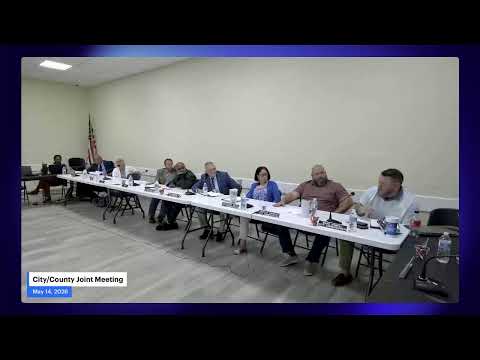
Michelle Lieberman, Alachua County’s manager, gave an hourlong educational briefing to High Springs officials on how property taxes and exemptions feed the county general fund and why proposed changes at the state level could produce large, immediate revenue losses.
“We have reduced our millage rate every year for the last nine years,” Lieberman said, but she cautioned that lower millage does not always mean lower tax bills when property values rise. She also highlighted a commonly cited comparison in public debate: “When you account for inflation and population increase… the difference between that ending number and the number we say it should be is $84,000,000,” she said, calling for care in interpreting such figures.
Lieberman walked the joint meeting through how county taxes fit on a bill alongside school, municipal and special‑district levies and explained that Alachua County’s general fund supports many items state statutes require counties to pay — including a county share of Medicaid, juvenile justice and court facilities. She said the county’s general fund revenue is roughly $344 million but that restrictions, rollover projects and earmarked funds reduce the flexible amount available for new uses.
She reviewed potential impacts of increasing the homestead exemption from today’s baseline: a jump to a $100,000 exemption would immediately reduce county revenue by “over $22,000,000,” and a $150,000 exemption would cut “nearly $40,000,000,” according to her presentation.
When commissioners asked about replacement revenue, Lieberman noted statutory limits on what municipalities and counties may levy, and said special assessments and municipal services taxing units (MSTUs) are possible tools but raise equity and political questions. “You’re not going to stop paying property tax altogether even if it was eliminated because all of these proposals do not touch school property tax,” she said.
Why it matters: Lieberman urged local officials and residents to review Department of Revenue materials ahead of any ballot language and warned that while proposals often promise protections for public safety, they rarely specify replacement funding for the other mandated obligations counties must pay. The briefing closed with a public Q&A and no formal county action on the matter; officials said they will continue outreach and education ahead of any state measures.