Get Full Government Meeting Transcripts, Videos, & Alerts Forever!
Get email alerts on the Manufactured Home Parks topic
No spam. Unsubscribe anytime.
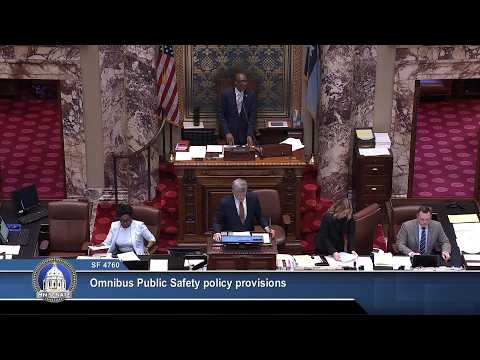
Senate approves manufactured‑home parks bill after hours of debate over 3% rent cap
Summary
The Minnesota Senate passed a broad manufactured‑home parks bill that limits most annual lot‑rent increases to 3%, expands resident notice and purchase opportunities, and adds fee and eviction protections. Supporters said it curbs predatory hikes; opponents warned a hard cap risks underinvestment and higher long‑run costs.
The Minnesota Senate passed legislation aimed at stabilizing costs and expanding protections for residents of manufactured‑home communities, approving a bill that would generally cap annual lot‑rent increases at 3%, require earlier notice and offer windows when a park is sold, and strengthen eviction‑notice protections.
Sen. Nicole Boldon, the bill’s author, said the measure responds to sustained rent increases and practices that have left many homeowners—who own their home but rent the lot beneath it—struggling on fixed incomes. "People are making decisions about paying lot rent or buying groceries," Boldon said, describing cases in which lot rent soared and residents sought help. She urged colleagues to "stand with Minnesota residents asking us to take action."
Supporters emphasized the bill’s combination of short‑term protections and longer‑term options for resident ownership. The measure includes tighter limits on late fees and clearer requirements for notice and documentation when lots are put up for sale, and it creates a streamlined process intended to give park residents a meaningful opportunity to buy the park if the owner chooses to sell.
Opponents, including Sen. Ron Kreun and other senators who voted against the measure, warned that the 3% cap is inflexible and could squeeze parks’ ability to pay property taxes, insurance and major capital expenses. "A hard 3% cap with rising property taxes and insurance will freeze investment and reduce upkeep," Kreun said, arguing that deferred maintenance and declining service would ultimately harm the very residents the bill seeks to protect.
Floor debate lasted many hours and produced numerous amendments. Proposals to add more flexible safe harbors for owners facing higher costs, to narrow or expand resident purchase windows, and to change notice timings were debated and largely defeated. One procedural amendment correcting committee report language was adopted; other amendments—such as deleting the notice/purchase requirement—failed on roll calls.
The bill’s passage followed an extended floor exchange about the balance between protecting long‑term residents—many of whom are older or on fixed incomes—and ensuring owners can keep parks maintained and insured. Lawmakers cited recent rapid rent increases in specific parks and contrasted that with concerns about rising property taxes, insurance costs and capital needs.
The measure passed the Senate on the floor vote and will proceed to the next steps required for enactment.
The Senate debated the bill at length before final passage; lawmakers expect companion or follow‑up work in committee and in the House as the details are reconciled.