Get Full Government Meeting Transcripts, Videos, & Alerts Forever!
Get email alerts on the Transportation topic
No spam. Unsubscribe anytime.
Taylor County transit staff report ridership decline, urge pursuit of rural funding
Summary
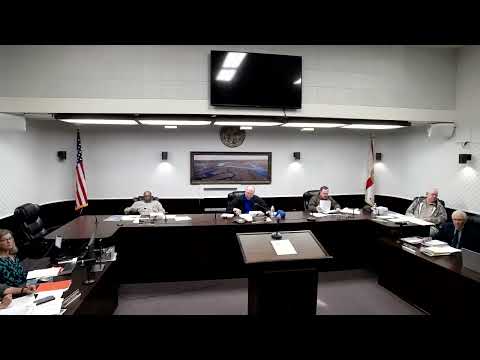
At its March 17 meeting county staff reviewed the Transportation Disadvantage annual report: 2025 ridership totaled 8,317 trips with 1,716 for medical purposes. Staff said the program was safe last year and is pursuing rural transit funds to restore shuttle service.
Beverly, the county staff member who oversees the Transportation Disadvantage program, told the board at the March 17 meeting that Taylor County’s yearly ridership fell in 2025 to 8,317 trips, of which 1,716 were for medical purposes. She said the service logged 5,092 trips paid for by the Florida Commission for the Transportation Disadvantaged and roughly 3,000 trips that were self‑funded by riders.
The report, presented during the required annual public hearing, included a breakdown of trip purposes: medical, employment, nutritional visits and other local errands such as trips to the post office and library. Beverly told the board there were no on‑board accidents and no breakdowns with passengers aboard during the year.
Why it matters: the Transportation Disadvantage program provides mobility for residents who lack access to conventional transit, particularly for medical appointments. Beverly said staff is working with regional transit partners and has reached out to a state senator’s office to pursue rural transportation funding that could allow the county to restore shuttle service within two to three years.
Board members and staff framed the hearing as informational only — the annual review requires no immediate board action — but several commissioners emphasized the importance of preserving medically necessary trips and asked staff to return with specific funding options and timelines. Beverly asked the board to support continued outreach to state and federal funding sources so the county can sustain and, where possible, expand services.
The county’s next step is to continue coordination with transit partners and report back to the board with concrete grant or funding applications and estimated timelines for restoring fuller shuttle service.