Get Full Government Meeting Transcripts, Videos, & Alerts Forever!
Get email alerts on the Public Health topic
No spam. Unsubscribe anytime.
Gregg County health staff raise septic inspection fee to $3,000 and tell two cities service will end without interlocal agreements
Summary
County health staff told commissioners they raised the annual fee for on-site sewage inspections to $3,000 to cover rising costs and that Warren City and Lakeport have not signed interlocal agreements; the court approved updated interlocal agreements and authorized termination letters for nonparticipants.
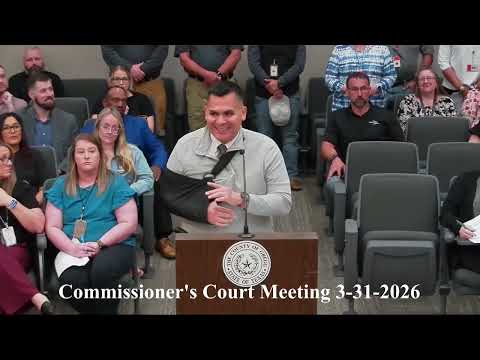
Gregg County health department staff told the Commissioner’s Court on March 31 that they had updated fees for on-site sewage inspections and would no longer provide in-city services to municipalities that decline to sign interlocal agreements.
AJ, a member of the county health staff, told the court the county had not updated septic fees in some time and raised the annual charge to $3,000 to cover higher fuel, maintenance and personnel costs. “Our fees hadn’t been updated for some time, so I went back and updated all the fees,” AJ said, adding that the county would continue to serve unincorporated areas even if a city declines to participate.
AJ said Clarksville and Kilgore have signed the updated interlocal agreements and that the county has the executed agreement from Kilgore; Warren City and Lakeport have not yet confirmed. AJ said the county will send termination letters to municipalities that decline to participate, after which state regulators (TCEQ) would handle in-city inspections. “There are two people that I have not heard from and that is Warren City and Lakeport,” AJ said.
The court approved the interlocal agreement packet after county staff and counsel said the agreements are required for the health department to operate inside incorporated areas under state rules cited by staff. Commissioners asked staff to continue outreach to the cities before termination letters are issued.
Why it matters: the change moves routine septic oversight from an affordable county option to a vendor-or-state model for cities that opt out, and it ties local service availability to a fixed annual fee and signed interlocal agreement. The county said any funds later received from settlements or related sources earmarked for opioid-related uses would be applied separately and would not replace the service-fee structure.
The court approved the interlocal agreements and related motions by voice vote; staff will proceed with outreach and with sending termination notices to nonparticipating municipalities if they do not sign.